
Xuan Brush
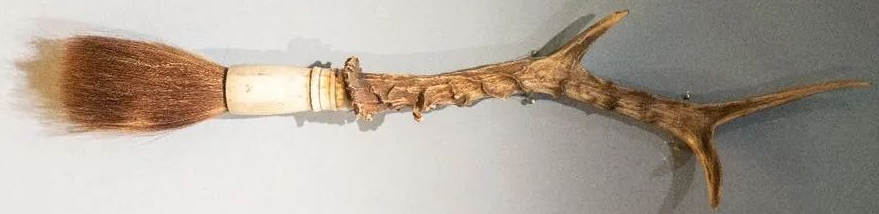
The Xuan brush is one of China's four famous brushes, produced in Jing County, Anhui. It takes its name from the fact that the area belonged to Xuanzhou in ancient times. It originated in the Qin Dynasty and flourished in the Tang and Song dynasties, and its making craft was added to the national intangible cultural heritage list in 2008.
Overview & Materials
Overview
Historically, the Xuan brush was as famous as Xuan paper. Making one requires eight major stages—material selection, water-basin work, shaft making, fitting, brush trimming, inlay, engraving, and inspection and packaging—and 108 steps in all. The craft is extremely complex. Every step depends on a feel built up through long practice.
Materials
The brush head is mainly purple hair (hair from the back of a wild hare), blended with wolf hair and goat hair. The shaft is mostly bamboo.
Tools
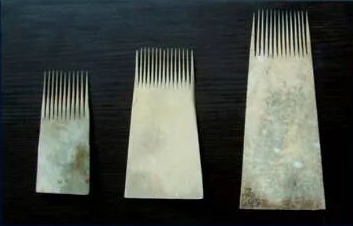
Bone comb
2 photos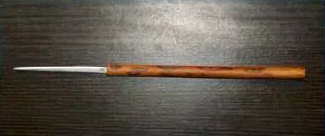
Bone knife
Dialect · qí zi(齐子)Process
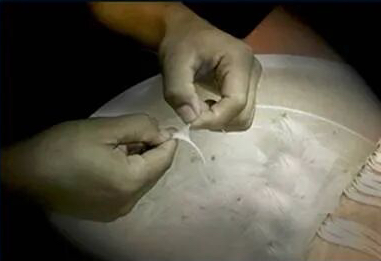
Selecting hair
Rabbit hair is gathered in autumn; less than thirty percent of what is collected can actually be used.
Dialect · 尖子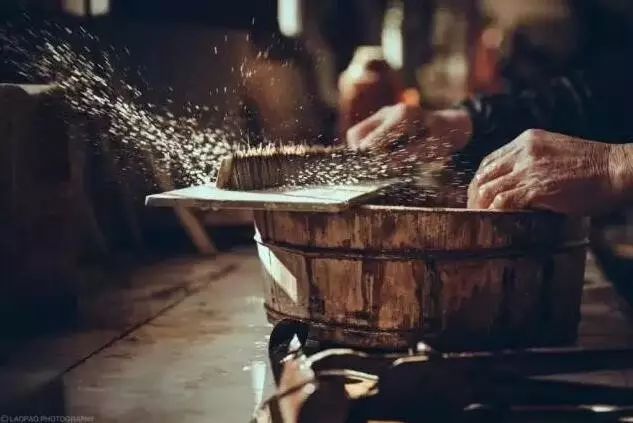
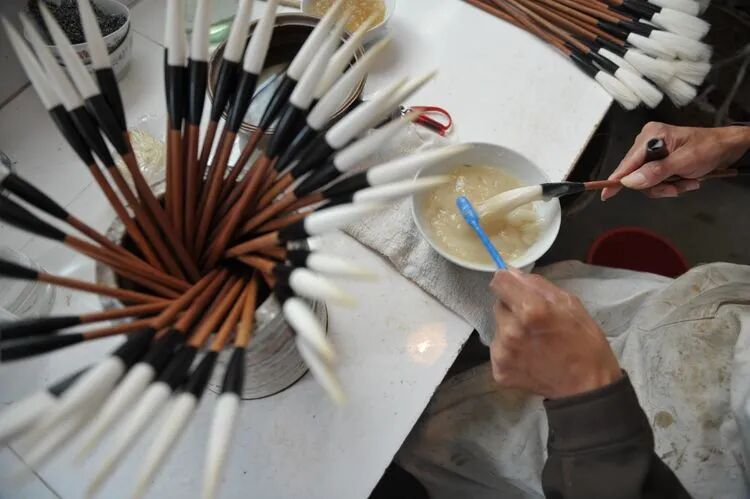
Washing basin
The hair is combed straight in a basin of water — the most eye-straining step of all.
Dialect · 水盆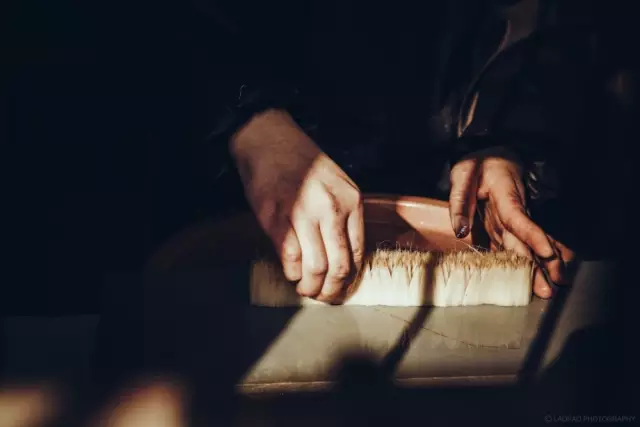
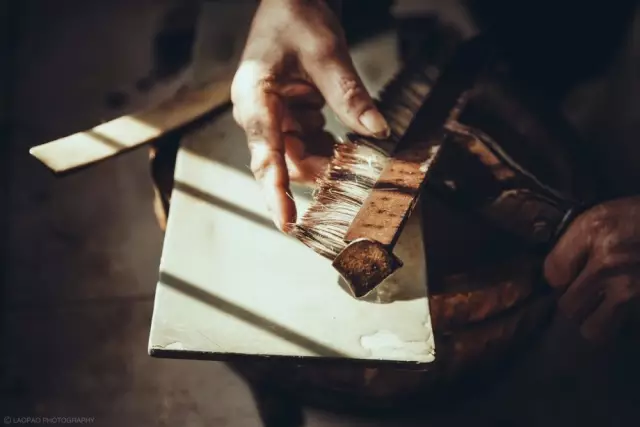
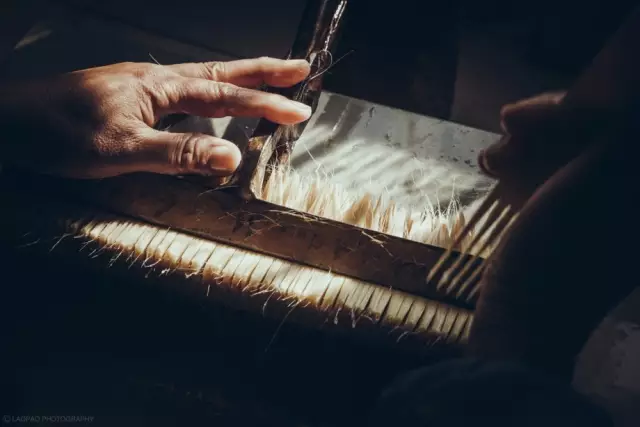
Making the Brush Shaft
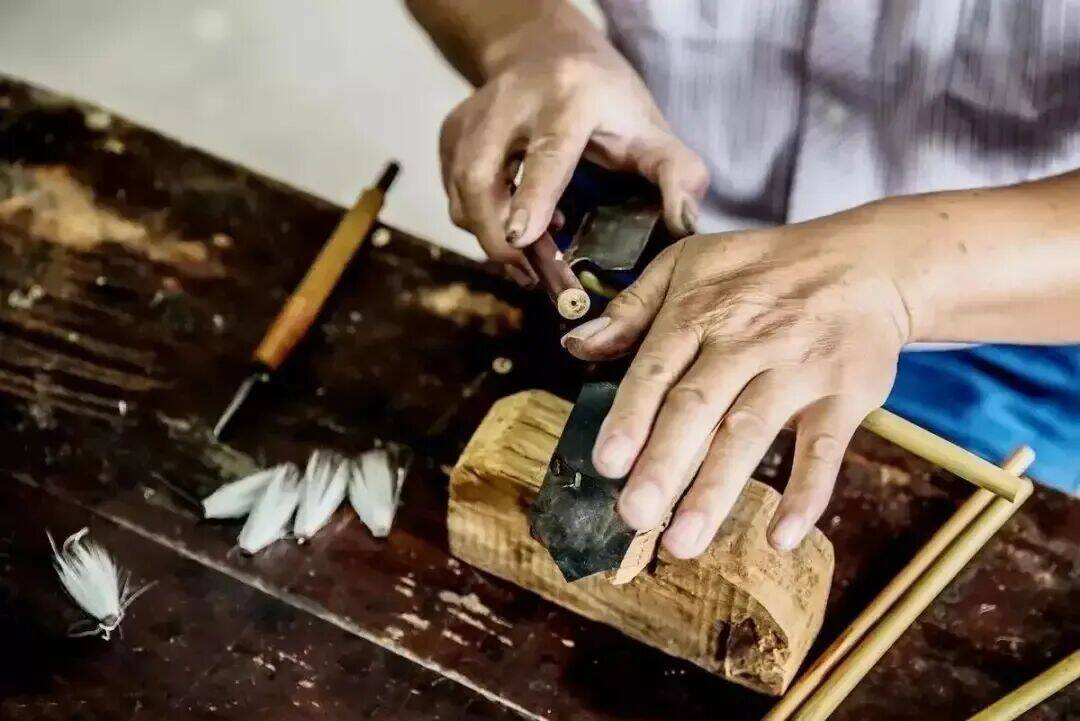
制作笔杆。

Fitting
Joining the brush head to the shaft, done entirely by feel.
Trimming
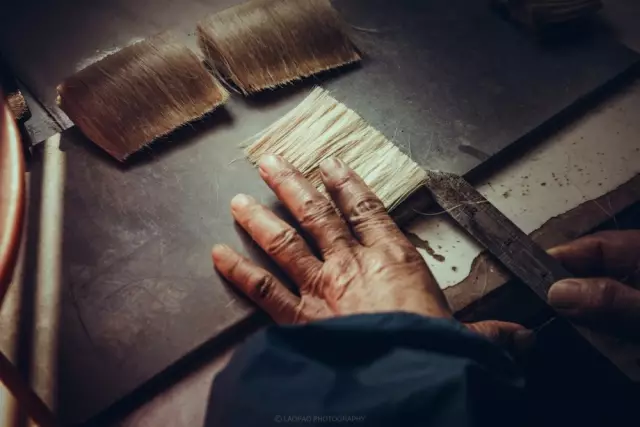
Picking out unsuitable hairs one by one.
Dialect · 择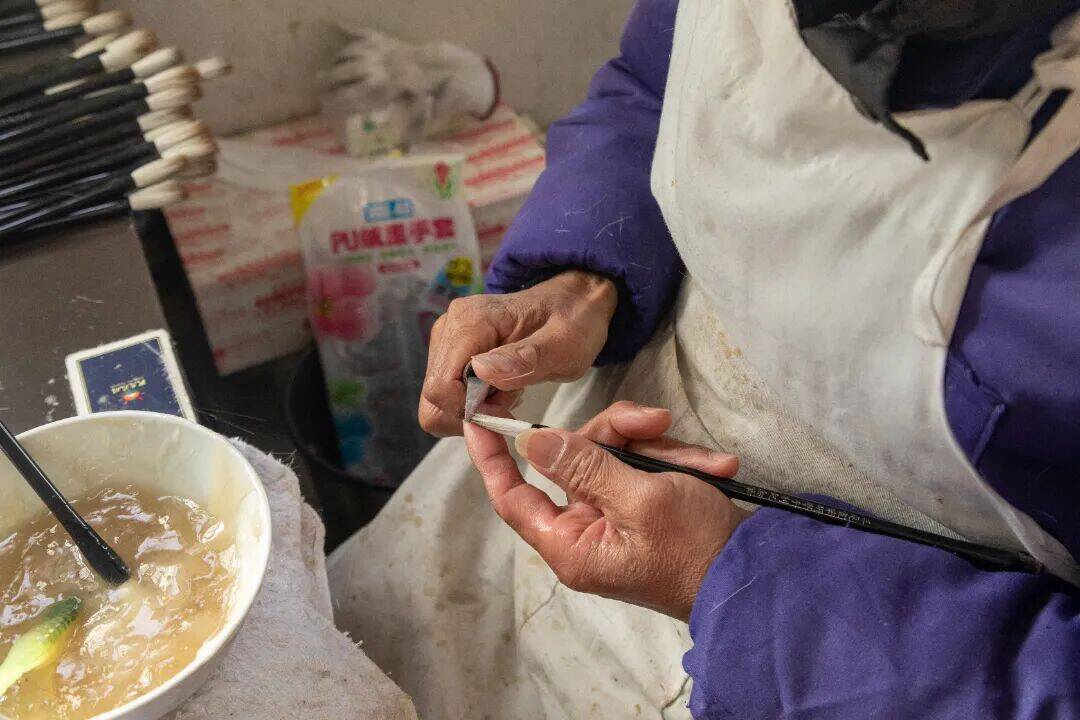
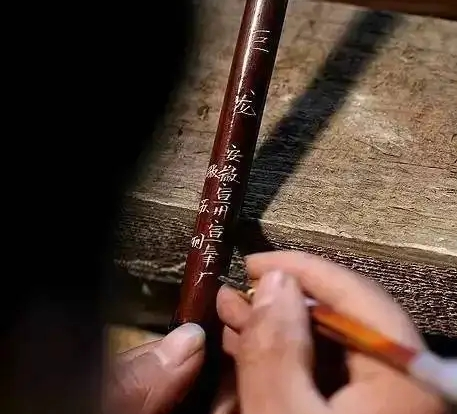
Carving
Carving characters into the shaft in a single, unbroken motion.
People & Oral History
Full interviews, transcripts and translations are in the Field Archive.
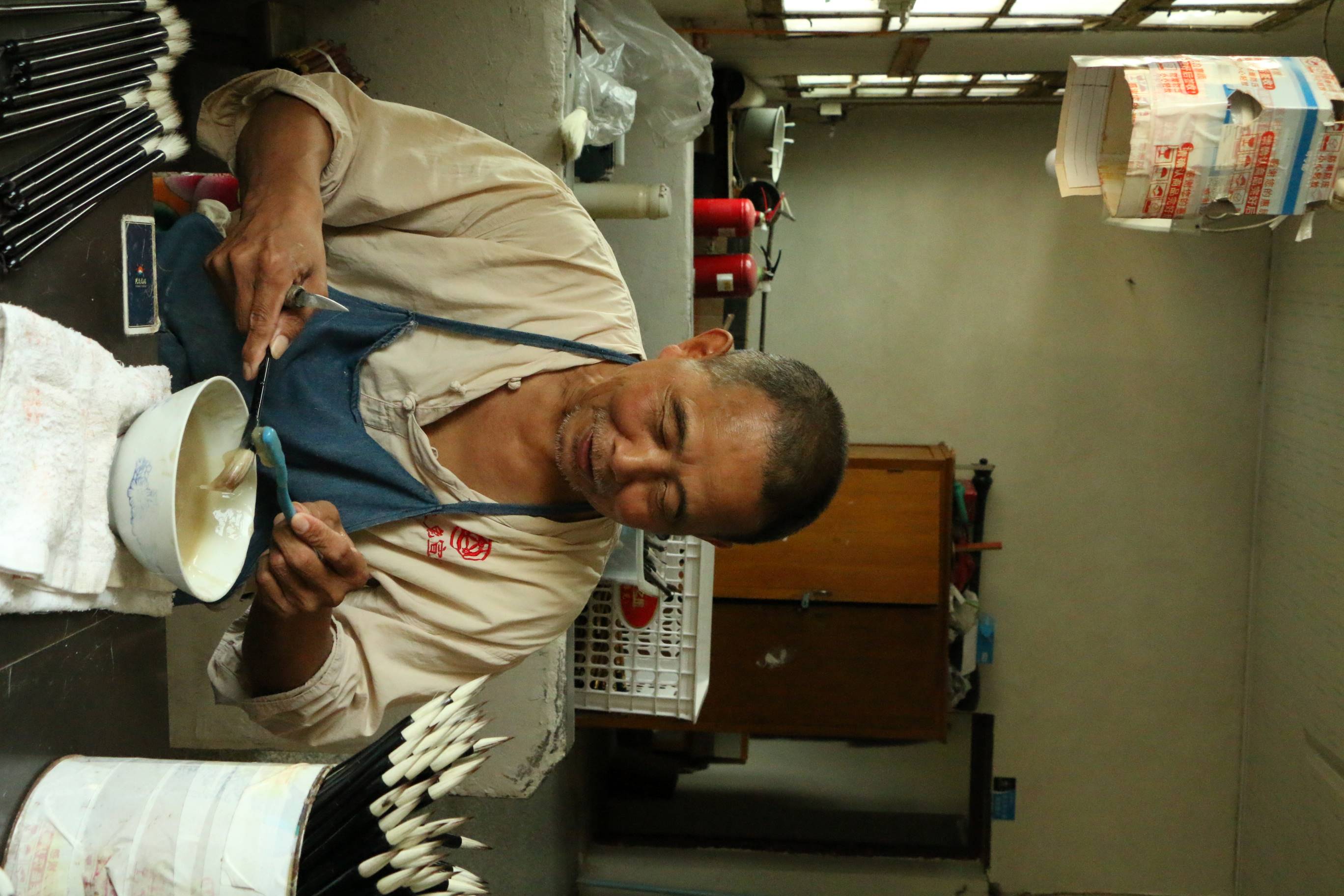
Ma Shi Fu · Brush Trimmer at the Xuan Brush Factory
“The hardest part is picking out these hairs. If you don't pick them out, the brush won't write. There are bald hairs, uneven ones—uneven ones without tips—every one of them has to be plucked out. ”
View full interview →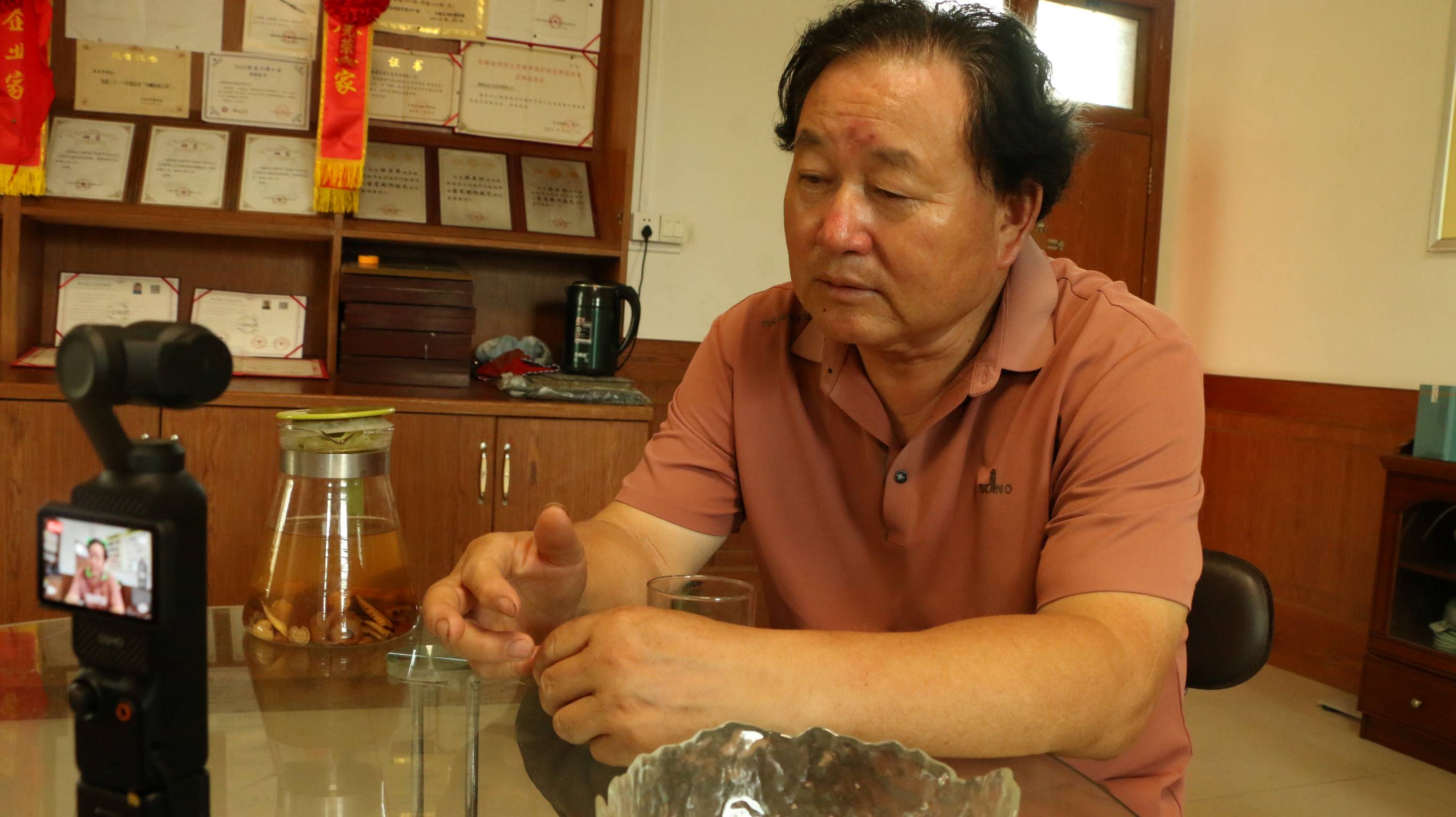
Factory Director Wu · Xuan Brush Inheritor
“I started out making brush shafts, and then eventually it was research—new material applications, new product design, market promotion, including the new things I make and getting them out to market. It goes both ways. Whatever the market needs, they bring it to me and I develop it for them. ”
View full interview →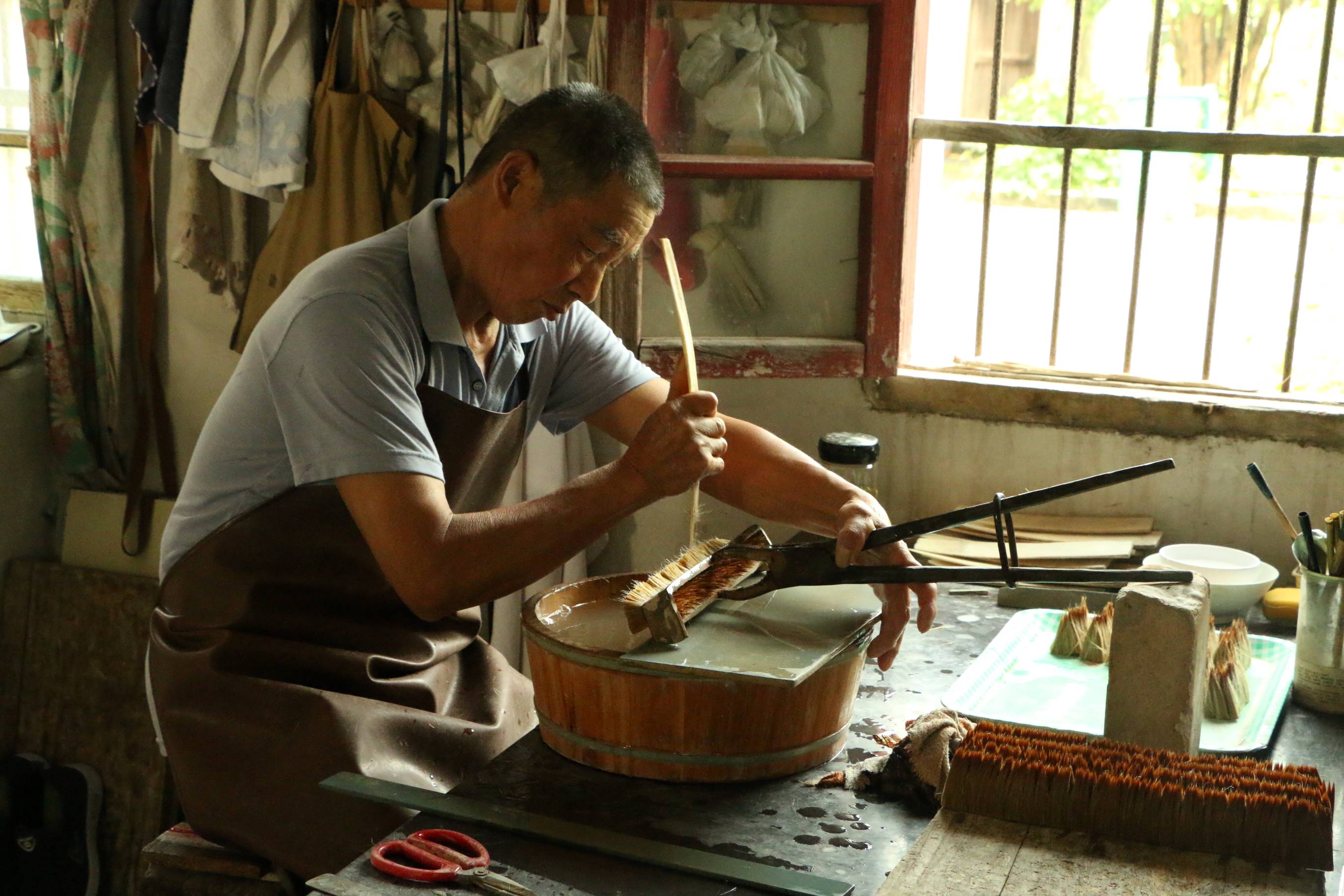
Wang Shi Fu (plus two anonymous others) · Water-Basin Workers at the Xuan Brush Factory
“In winter, when others were warming themselves by the fire, we were still working away in cold water. In summer, this part"—he gestured to his hands—"would rot.”
View full interview →Status & Data
Challenges
The market has shrunk, and brushes made with inferior materials from Jiangxi and elsewhere have dealt it a heavy blow. In the 1980s, the Xuan brush factory had over 200 workers; today, only three water-basin workers and one brush trimmer are left. Of the four remaining workers, three are over 70 and are expected to be unable to work within a year or two. The only apprentices are the boss's three daughters and his grandson. Others are unwilling to learn, and there's no chance to apprentice. Market sales alone can no longer sustain the factory; it can only supplement its operations through school lectures and intangible cultural heritage visits.
My field notes
Walking into the workshop, you find a very large room. Three masters sit by the window, each with a water basin in front of them, working away. This was the water-basin process the inheritor had just described as requiring the most skill. I chose the master in the middle; he looked friendlier. But as we talked, the master behind him, who looked a bit older, and the woman master in front of him, in her forties or so, both chimed in on some topics.
Related: Workers & Income · Field Archive