
Factory Director Wu · Xuan Brush Inheritor
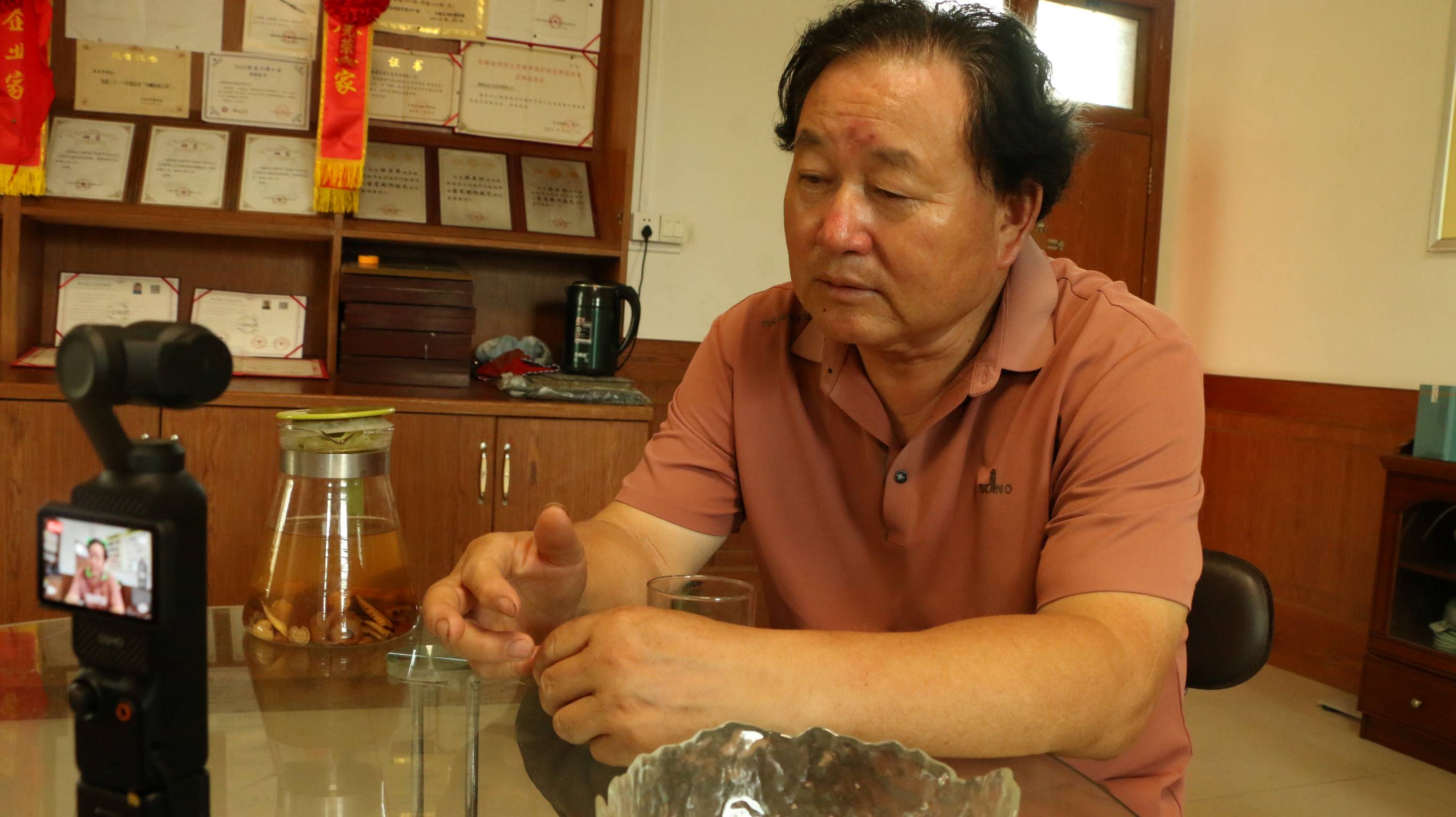
Factory Director Wu · Xuan Brush Inheritor
Authorization · Authorized“I started out making brush shafts, and then eventually it was research—new material applications, new product design, market promotion, including the new things I make and getting them out to market. It goes both ways. Whatever the market needs, they bring it to me and I develop it for them. ”
Full transcript
《Xuan Brush Factory: Interview with the Inheritor》
Editorial note: Q = interviewer; A = interviewee (inheritor at the Xuan Brush Factory). In editing, I've tried to keep the original wording and cut repetition and meaningless filler. Obvious transcription errors have been restored from context.
Q: What comes after brush trimming?
A: Brush trimming. After brush trimming comes engraving. In between, there's another process that runs parallel—box making. It's parallel to the water-basin process because they're two independent systems. Then after brush trimming comes engraving. Once engraving is done, then inspection and packaging. There's also a process—some count it in, some don't—the box-making workshop. Boxes, outer packaging. Mainly those areas.
Q: Among these, which has the most skill?
A: The most skill is concentrated in the water-basin workers. Our whole process has 128 steps, and the water-basin workers account for 70 of them. Small steps. 128 steps total, 70 steps. This process is fairly complex, and our production cycle is long. This year, making brush heads—because of differences in the water-basin process—each batch takes about a month to produce. We do it every day. Normally Sundays off.
Q: Then let's start with the most important master. Your date of birth?
A: October 25, 1962.
Q: Are you from Jing County?
A: From Jing County, Huangcun, what used to be called Lao'anwu Township.
Q: How long have you been doing this?
A: 44 years. I entered the factory in 1982, at 20, 21.
Q: How did you get into this line at the time?
A: Getting into the brush factory was an accident. At the time, our factory wanted to expand production and add a workshop. This workshop mainly supported the original brush-shaft workshop. Brush shafts were made of bamboo and wood, and both ends were fitted with ox-horn tubes. Ox horn mainly used the tip, the solid front part; the long section behind it was hollow. That hollow section was a byproduct of brush making. We generally sold it to a chemical plant in Bengbu called Jiaoli, as raw material. But the added value wasn't high. Later, after research, we found Fujian used a lot of that hollow section to make ox-horn combs, with much higher added value. So we brought in ox horn—part for brushes, part for combs. We added an ox-horn comb factory. When I entered the company, there were 20 positions; 7 were reserved internally, leaving 13. What to do with those 13? They openly recruited across the whole township, through a written exam. Back then there were few enterprises. To get into one, you had to go through all kinds of connections, and you still might not get in. My father signed me up; I hadn't even thought about it. Later I took the exam. At the time I wasn't confident. Why? Most of that batch were fresh graduates. I had been out of school for two years. I came out of Maolin Middle School. I passed. Actually, quite a few signed up—more than 170 took the exam, and in the end 13 were admitted. I got in with seventh place. At first I didn't believe it. When they told me, I thought they were joking. After I got in, I felt it was a turning point in my life. So after I entered, I worked seriously every moment. I apprenticed for a month. Our master was from Wuhu, because the brush factory's predecessor was the Wuhu Brush Glue Factory, under Zhongshan Bridge. When I first came in, I learned to make ox-horn combs. Then at the end of the year—after I'd been in a month, after apprenticing, it was right around Spring Festival. After Master Guo Zhenjie went back, when work started the next year, he recommended me as team leader. A month later I was team leader. The next year I became workshop head, and the year after that deputy director. I entered in '82, so by '83. Back then, those who entered the factory—I was a high school graduate, and there weren't many high school graduates. So I had to use that opportunity, and I just worked hard. In '87, I was transferred to the factory office, the Xuan Brush Factory office, also serving as a supply and marketing clerk. I did a lot of things, and also worked at the Xuan Brush Craft Research Institute for a while. Mostly concurrent posts—one person doing several jobs. I worked until 1997. In '98 the company had already become a joint-stock company. I was assistant to the general manager. In October 1999, because my chairman was then vice chairman of the county CPPCC, and the CPPCC called him to a full-time post, they had to consider a successor. At the time, from the county government, public institutions, townships, and the management departments, they considered comprehensively. The factory director recommended me. But because I was assistant to the general manager, and there were several deputy general managers, they weighed it from all sides. So in '99 I became general manager. In 2003 the enterprise was restructured. I led five others in a public auction and bought it. Public auction, six people—I led two others. When we bought it, my shares were 41.5%. With those others, you could say I had controlling interest. Actually not controlling—according to the joint-stock requirement, controlling should be 51%. But there were only a few of them. How much did you buy it for at the time? The two parts together were over a million, I think. Because one was the factory auction, and the second was that the enterprise had a batch of celebrity calligraphy and paintings; the political consultative conference took them and re-auctioned them—celebrity calligraphy and paintings. They were auctioned separately. That one was auctioned on August 16, 2003; the other on January 15. By 2014, three shareholders had withdrawn, one after another, because they worked in the county town, originally in the store, and they withdrew. By the time they withdrew in '14, they got much more than they'd put in, right? It was like this: the money they'd invested had already been paid back in dividends. Later I bought them out at one to ten times—4 times premium. They were happy, willing. By 2019 the last remaining shareholder was also paid. March 1, 2019—I remember it clearly. Originally, when I helped compile the factory gazetteer, a lot of materials were in my hands. Before that pile was finished, the government packed up all the materials in one go, dozens of boxes, and hauled them to the government. Later they didn't manage it; they let people mess with it, and in the end nobody knows where it went. Can't find it. So in 2019 the last shareholder withdrew, because he was doing it at home too, also making this. Then it became completely yours. Right, it became a sole proprietorship, just one family, sole ownership. It's been quick—seven years, 2019. Anyway, it's felt pretty smooth.
Q: Do you yourself make brushes and do writing much? You personally make them?
A: I do a bit of everything. I started with brush shafts, then later research, new material applications, new product design, market promotion—including the new things I make, bringing them to market. Whatever the market needs, I develop it. That way I put my thinking and ideas into making the brush—why this thing, how to make this brush, what kind of user it suits, how it performs. I have all of that for every product.
Q: So you've used some new materials on top of the old tradition? What new materials?
A: For example, in design, material formulas—some materials that maybe weren't used before. Because materials, for example some special materials, like cat hair, bear hair—people in the past almost never used these. I experimented repeatedly, and in the end, it's not that using this material makes it good. It's our research into the material. In design there are also new things, lots of new materials. For example, materials not used before. Our brush shafts used to be local bitter bamboo—moso bamboo won't do—our bitter bamboo. Later we got from Fujian what they call fragrant concubine bamboo, spotted bamboo, including that, and also arhat bamboo, purple bamboo—those are traditional. Later, all kinds of materials—as long as they can form a solid, solidify—we can use. That was a shift in my thinking. So now I feel that solid materials—as long as it's not glass, not forbidden, like things the state bans, things not allowed, like ivory, special materials, or things with certain radioactive elements—everything else is fine, as long as you have equipment to process it. That's for brush shafts. This thinking—some people like new materials. With new materials, you see, in ten thousand people, as long as five or ten like this kind of thing, that's actually a big number. From probability, it's even more than that—more than that in ten thousand, because people nowadays are more curious, like something new. When I use something I don't have, I'm curious. Anyway, this kind of thing may have higher added value, and they don't care. Some even try metal. I've tried metal.
Q: Using cat hair, bear hair—what about performance, effect?
A: First, when I make materials, after experimenting with a material, I know what it's for. For example, cat hair is short, and it has a lot of fat, so you have to degrease it. To what degree, how much to retain—that must be tested. But for us that testing is relatively easy. During testing, we can tell from the color change of the coating liquid. It's not a big problem. But after it's made, using cat hair alone—what's the performance? When we made it, we tested it. But it doesn't absorb water well, because it's smooth. So we add other materials as filler, and that changes its performance. Then what is this brush good for? In the end we found, from the perspective of calligraphy, it's good for large and medium regular script. Calligraphers and painters are also willing to try new brushes. When they come, they know how I recommend and introduce the brush. I tell them what it's best for, and let them try. Some people—say in calligraphy, someone who writes regular script may not write cursive or running script. When they often like writing cursive, they may not write seal or clerical. So first, based on my feeling, I see what these things suit best. Of course it's not absolute; there's individual preference. From a comprehensive view, it's still the popular trend that's the main element. Sometimes they haven't used this brush before. In our factory, among brushes used before, its performance exceeds their imagination. They may turn to it—"Don't move, I'll go back and try again. I want to redo something." They make some changes to their own calligraphy path. This happens often.
Q: Besides you, does anyone else in the family do this?
A: My whole family does it. My wife makes brush shafts by hand. Before, all brush shafts were made by hand. Now they're mechanized, but handmade shafts still produce a better product.
Q: You think handmade is better than machine-made?
A: It tells you something. For example, with bamboo shafts, bamboo's roundness can't be perfectly standard—it's often slightly oval. If it's slightly oval and you machine it, the hole drilled in front will definitely be thin on one side and thick on the other. Then, first, the appearance is bad, and when assembled, when you pick up the brush and look, you feel uncomfortable. When I make it by hand, there's a feature: the blade that digs the hole follows the outer curve, so it keeps the thickness of the opening consistent. Then when we drill in, the brush head goes into the shaft, and because bamboo has some flexibility, it can form a relatively round shape. From the outside, it's very even.
Q: Your children do this too?
A: I have three daughters. All three learned here. At first they didn't do it either. They went out and traveled around a bit, then came back. Now they're all inheritors.
Q: That's real inheritance.
A: My eldest daughter is at the county Party congress today. She's also a provincial arts and crafts master in Anhui—the youngest woman among Anhui's arts and crafts masters. Arts and crafts master—she mainly does this too, and she's part of our inheritance here. She's now at the city level, Xuancheng city-level intangible cultural heritage. At first they didn't want to do it. More than twenty years ago, young people all wanted to go out and see the world. So if you told them to learn a craft in a traditional industry, of course they weren't interested. Now they can do it themselves. They're inheritors, they know the craft, and they still do it by hand. They're on the front line. They do it very well. Yes, they're all doing it. My youngest daughter is also a technical expert. My second and third—those two are twins. They both participated in the national light industry brush skills competition in '24 the year before last and won excellent competitor awards. Because they got nationally recognized vocational skill titles—senior technicians.
Q: Impressive. At first I thought your inheritors really do it by hand themselves—they make them?
A: No, no—yes, yes, they do. Not just writing materials. No, no—do they do it daily? Daily. Every day. They go to work.
Q: Now I think this craft is good.
A: It's not that the craft is good. Which factory is easy to run now? There's no industry people are satisfied with. For example, from your perspective as a teacher, if someone has ambition, you're an ordinary teacher, maybe you want to be a head teacher, or a department head, then you want to be vice principal. Then you think, no, I still want to be in charge—I want to be principal or Party secretary. Then at an ordinary university, you want to move to a key university, or to a supervisory department, a provincial department—always climbing. People all have this, right? So is he satisfied? He's not. But I tell them, this is a pure cause. Because I have such a big compound—this is our family's property now. You need to maintain it, and develop it. Not just maintain—you have to bring in new blood, inject new ideas and drive. What is that new ideological drive? It's not just schooling or past consciousness. You need real driving force. What drives it? It must be your technology, your concepts, your—what you put in are various effective measures. That's normal. Also, how to speed up its development—you may use this as a foundation to expand the project. What's the current feature? I started study tours in '17. I started in '17. My study tours are now probably among the better ones in the industry nationwide. Today, besides the Wang family, besides Hongren Group, the cultural park is probably doing well. It's also quite suitable for study tours. Right, it's small, not big, and what you make is a product you can use right away. Like this morning there was some team. But what's my idea? Through study tours, I can better promote and develop my own industry. First, in my study tours, how do I increase income? I don't mean tickets. I mean explanation fees and experience fees. In that fee, I include a brush. One brush per person. For the experience, don't you make a brush? The brush you make is given to you. Why? To achieve a goal. Because once this brush is made, it's given to you. So you'll definitely be more careful making it. And I require it to be a good piece, not just making something useless. Also, when you take the brush home, some are children. Maybe the parents didn't come. For example, a women's group—when you take this brush home, the parents will ask, "What activities did you do on the study tour?" You'll say, "Oh, we did such and such, and we made a brush." "What kind of brush?" You'll show them. "Where was it made?" "In Jing County, Anhui, at the Xuan Brush Factory." "How's the brush?" After using it, "Hey, this brush—even though I made it in the experience, the quality is good." It deepens the family's impression. Then maybe you chat with aunts, relatives, friends—that's a channel for spreading the word. And it's real. I can say it's better than us going—now people often say CCTV will promote you. I say the problem is, although it's high-end, too few people watch. Almost everyone watches TV—my own TV I don't watch for a year; everyone holds a phone.
Q: Where do study tour groups usually come from?
A: All over the country, I'd guess domestically. In the last two years, quite a few from overseas too.
Q: How do overseas groups contact you?
A: Overseas has multiple channels. One is travel agencies. Of course, first there's a cultural exchange department, something interested in Chinese traditional culture. Two aspects. First, recommendations from foreign travel agencies. Second, some relevant Chinese travel agencies recruit customers outside and promote. So you have a lot of contact with travel agencies; they help promote you. Right, because I also promote on Xiaohongshu, and the effect is good.
Q: Some of this should be asked later to the masters—like which specific line, which process. Their skill levels may differ. You said the main one is water basin?
A: Right.
Q: Now it seems mainly water basin and brush trimming?
A: Brush trimming—after the shaft and head are welded, the internal movements.
Q: Then the masters' wages should differ?
A: Piecework. Piecework—more work, more pay.
Q: Does one person handle it from start to finish, or?
A: For brush heads—I make brush heads. After the raw hair is given, he makes the head. That's one. Material selection is done by someone else. Yes, he makes the head. Does that include water basin and trimming? No, trimming is separate. So it's divided. Shaft making and box making aren't here.
Q: For example, for one brush, water basin and trimming—their prices should differ?
A: After they're combined—are you talking about piecework wages? Yes, piecework wages definitely differ. But they're separate and independent. Water basin has more; different varieties have different base prices. Higher grade has a higher base, lower grade lower.
Q: Are your workers mostly local or outside?
A: Mostly local, basically all local. In the '70s and '80s, there were a group of outsiders. We hired some from Jiangsu, dozens came. Later, no more employees—people got older. Also, in the early '80s, when rural land contracting rights were divided, some people had to go back to get their land, so they left. Now basically all local.
Q: After the old ones retire, there are fewer young people. This skill—starting as an apprentice, for water basin, from apprentice to mastering the core, to being able to work independently—how long does it take?
A: That span is long. Back in the '70s and '80s, apprentices—our water-basin workers, those making brush heads—took nearly nine years. Nine years. Why? There's a ten-year thing: apprenticeship was three years. First three years learning. After three years, you start low-level piecework—subsidy plus piecework. Because pure piecework, the income might not be high; the subsidy is to train people. He can't do it fast, right? Can't do it fast. At first, you might not do well and waste material; he hasn't produced much. The second three years, you follow the master, learn—the master teaches you some things, preliminary things. The third three years, you work independently, and you can ask the master. The master teaches you how to make tools. At first you weren't even allowed to touch tools. What tools? The tools for making brushes. Before that you couldn't use tools independently? No, not allowed. For example, how to grind the comb, how to sharpen the knife—he wouldn't allow you to touch it. But you'd use tools. There were rules passed down. After nine years—back then they went by seniority—after nine years, there was an assessment. If you passed, you entered the low-grade group, making low-grade brushes. After nine years you were still in the low-grade group. Low-grade group for 15 years—then you test. If you pass, you enter the middle-grade group. After 20 years, workers test, and if they pass, they enter the high-grade group. Some can't get into the high-grade group. So 15 years, then 20 years.
Original Chinese transcript
《宣笔厂 传承人访谈录》
整理说明:问=采访者;答=受访者(宣笔厂传承人)。整理时尽量保留原话,删除重复和无效口语;对录音中明显识别错误处,按上下文恢复。
问:修笔之后是什么?
答:修笔,然后修笔就刻字。这个中间呢,还有个工艺,跟这个并列的,就是制盒。跟水盆工艺并列的,因为它是两个独立的体系。然后修笔后面就是刻字,刻字写了,然后就是检验包装。有的呢还有个工艺,有的算在里面,有的不算,就是制盒车间,制盒,盒子,外包装。主要这几个方面。
问:这几个里面最有技术含量的是?
答:最有含量主要就是集中在这个水盆工。我们整个流程下来,它是128道工艺,水盆工就占了70道工序。小工序。总共128道工序,这个70道工序。这个工序比较复杂,我们工期周期比较长。就今年做这个做笔头,就水盆工艺的差异,每一批次的生产时间大概一个月。天天做的。正常情况礼拜天休息。
问:那我们就从最重要的师傅开始。您出生年月?
答:1962年10月25号。
问:是泾县人?
答:泾县人,黄村的,以前叫老安吴乡。
问:您做这一行多长时间了?
答:做了44年了。1982年进厂,20岁,21岁。
问:当时怎么进入这行的?
答:我进制笔厂是个偶然的机会。当时我们厂为了扩大生产,增加一个车间,这个车间主要配套原来做笔杆的车间。做笔杆用竹子杆和木头杆,外面两头被加了个牛角管。牛角主要用牛角的尖子,前面实心的部分,后面很长一段是空心的。空心那一段我们作为做笔的下脚料,一般卖给蚌埠有个叫角力化工厂,做原料。但附加值不高。后来调查了解,发现福建大量用这一段空心的做牛角梳,附加值高多了。就是搞牛角过来,一部分做笔,一部分做梳子。我们就增加角梳厂。我进这个企业,当时岗位是20个人,内部留了7个,剩了13个岗位。这13个怎么弄呢?公开在全乡范围之内招工,通过文化考试。那个时候企业少,大家进入一个企业肯定要通过各种关系,还不一定进得来。这个机会,当时我父亲给我报了个名,我自己还没。后来我参加考试,当时考试的时候我还是没有信心。为什么呢?那一批大部分都是应届毕业生,我是刚刚从学校出来两年了。我是茂林中学出来。后来也考上了。其实报名的考生不少,170多个人参加考试,最后录取13个。我最后以第七名的成绩进入。当时我还不相信,后来他们告诉我的时候,我以为跟我开玩笑。后来进了去以后,我就觉得人生有个机会的转折。所以我在进来以后,每时每刻都很认真地工作。我当时学徒一个月,我们师傅是芜湖的,因为这个毛笔厂的前身就是芜湖毛笔胶术厂,就在中山桥下。刚进来的时候学徒学的是牛角梳。后来年底嘛,进来以后就是一个月,学徒以后正好过春节,郭振杰师傅就回去了以后,第二年就开始上班的时候,就推荐我做班组长。一个月以后就班组长。后来第二年就搞车间负责人,第二年就成了副主任了。我是82年嘛,83年就。那个时候进这个厂的,我是高中毕业的,高中生少,没有几个,所以我要利用这个机会,反正就好好工作。到87年的时候,我就把我厂调到厂办去了,宣笔厂办公室,一边兼个供销科的员,在那边去。反正我是干的事情比较多,也兼着宣笔工艺研究所也干了一段时间。都是兼职的多,一人干好几个事。一直干到1997年。98年那是已经成立股份公司了。我是这个公司总经理助理。1999年10月份,因为我的董事长当时是县政协副主席,当时没坐班,因为政协叫他去正式坐班去了,那就得考虑接班人的问题。当时从县政府、事业单位、乡镇、当时的机构、管理部门,综合考虑,因为厂长他就推荐我。但是推荐我,他也因为我是总经理助理,还有副总好几个副总,所以就权衡嘛,各个方面。就是99年就开始成为总经理。2003年企业改制嘛,我带着另外5个人参加企业公开拍卖,把它拍卖下来了。公开拍卖,六个人,我带着另外两个,买下来的时候,我的股份占41.5%。他们来这几个人,也算你控股了。实际上也不是控股,按控股那个股份制的要求,控股应该51%嘛,但是他们几个人才。你当时拍下来多少钱?那个时候两个部分拍下来是一百多万吧好像是。因为是一个厂拍卖,第二个是当时我们企业有一批名人字画,政委把它拿去了以后,重新拍,名人字画。这个分开拍卖的。这个是到03年8月16号才拍卖的,那个是元月15号拍卖。到了2014年,三个股东退出了,陆陆续续的,因为他们在县城上班的,原来在门店里面的,他们退出。到14年退出的时候,他们拿的钱应该比当时多多了吧?是这样,平时他们投入的钱已经分红分回去了。后来我是按这个1到1倍到10,就是返4倍的溢价,给他们就买这个,相互之间他们也乐意,愿意的。到19年最后一个留了一个股东,也是当时也是付了。2019年3月1号,我这记得好清楚。我原来参与这个厂志编写的时候,因为很多材料都是我手中保管,结果那一堆材料没弄完的时候,政府把所有的资料一次性打包,几十箱纸箱子拉到政府去了,后来他也不管了,让人家随便在那弄,到最后也不知道去哪去了,找都找不。就是2019年最后一个股东也退了,因为他自己在家里搞了嘛,也是做这个。然后你这个就是完全就你个人的了。对,就是那是个人独资企业,就一家的,独资了。也快一下子嘛,就那个嘛七年了,2019。反正感觉还是蛮顺的哈。
问:你在这个里面自己做笔做书的时候多不多?就你自己来做?
答:我很因为各个方面我都。我是从这个做笔杆开始,然后到最后就是研究啊,新材料应用,新产品设计,市场推广,包括我做的这个东西新东西,让市场推广,就双向的。有市场需求的东西,给我来给他这个研制。这样就是把我的思想和理念,制作这个笔,就是说为什么东西怎么做这个笔,是符合什么样的使用对象,他这个使用效果怎么样,这些我每个东西我这个产品都有。
问:就是你在原来的那个老的传统上面是做了些新材料,用了哪些?一般用什么新材料?
答:比如说我们这个设计方面的材料的配方,有些过去可能都没用过的一些材料。因为这个材,比如说我一些特种材料,比如猫毫,比如说我们熊毫,这些过去的人几乎是没有用过的。那我经过反复试验,到最后他这个用的不是说拿这个材料就是好的。他这个我们对材料的研究性。设计上也是有一些新的东西,设计也是有很多的新材料。比如说过去没用过的一些材料。我们通常以前这个笔杆,比如说我们当地的这个杆子就苦竹,毛竹杆不行,就是我们的苦竹。后来我们到福建那边叫的,就是那个香妃竹、斑竹,包括这个,还有那个罗汉竹、紫竹啊这些东西,这这些都是传统的。后来呢各种各样的这些材料,只要是这个能形成固体,固化的这个材料我们都可以用。这是我思想的一个突变。所以我这就是现在我的感觉是,你固体材料,只要没有一个是玻璃的,禁止的,比如说国家禁止的,比如说一些不允许弄的,就是象牙的,就是特种材料,还有个具有一定放射性元素的那些东西,其他的都可以,只要你有设备都可以加工成。我那一种就是笔杆嘛。这个思想的这个,就是有些人喜欢用一些新材料。新用新材料的,这个里面你看啊,你你这个1万个人里面,他有只要有五个或十个人都喜欢这些这一类的东西,他就实际上就是很大的一个数字了。从这概率学上,这些还还不止,就是一万个人还不止这么多,因为现在人的猎奇性比较多,喜欢搞点,哎这个新东西。我平常用的时候,没有的东西我就好奇。反正这东西呢,可能相对来说它附加值还高一点,他也不在乎这东西。还搞金属的有,金属这有尝试过呀。
问:那你像用猫毫熊毫这个,它在用这个性能上,就是它的效果上?
答:首先我做材,在用这个材料做的时候,我试练以后,这个东西我就知道它对象是用哪个东西。因为比如说这个猫毫它比较短,胆呢是它,而且它那个里面脂肪也比较多,那就要去脂,去到什么程度,他就要保留多少,这个就是必须要经过试验。但这个试验对我们来说是比较容易的。我们这个在试验过程中,我们看那个涂纸液的那个颜色变化就知道了,这个不是大问题。但是最后做出来以后,你单独的用这个猫毛做的笔,它使用效果是什么样,这个当时做出来是,我们做过笋的,但是它这个吸水不好,因为它比较光滑。那么我们再做一些什么其他的材料的填充,这样就改变了它的性能。那么这个笔做出来以后,它适用什么东西呢?最后我们是发现,这个笔我们做写,这从写书法的角度来说,它是一个大中楷好,适合大中。那些书画家他们也愿意来试这个新笔。我来了以后,他知道我推荐怎么介绍什么这个笔,这个新笔,我要跟他说你最适合什么东西,我让你试试。有些人就,比如说书法界的人,他写楷书的人,他不一定写的草书行书,他经常喜欢写草书的时候,他不一定写的篆书隶书。那么我就首先针对我的感觉的时候,这些东西是符合哪一样东西最适宜。当然也不是绝对的,就是也是你可能也有个性化的东西。那么我们从这综合的角度来说,它是还是大众化的,这个趋势这个,作为主要这个元素考虑。他也有时候他还没用过这个笔,他应该,这个在我厂这个以前曾经用过的这些笔里面,这个它的使用效果超出他的这些想象。他可能他就是转向,这个别动,我得回去我再试试。我要重新做个什么东西。对他的本身呢,他这个书法这个路径,他进行一些改变。经常有这个事情况发生。
问:那你们家里除了你还有别人来做这个?
答:我一家都在做啊。我夫人她是手工做笔杆的,以前都是手工做笔杆,现在笔杆都机械化做了,但是手工做笔杆这个呢,那个还是做出来产品还是比较好的。
问:你觉得手工比机器做的好是吧?
答:他有个东西就告诉你,比如说竹做竹子做笔杆,你竹子的圆度它不可能这么很标准圆的,它可能往往还能其实有有点微的椭圆。那么微的椭圆形的情况下,你是机械做的时候,打出去这个前面的孔洞,一定是得有半边薄半边厚。那么这样就这个,这样你看,首先你外观就不好了,而且这个装起来的时候,他就是那个,你一看的时候,你拿到这个笔的一看的时候,你就觉得不舒服。那么我手工做的时候,它这个有个特点,我们那个就是挖孔洞那个刀口,它顺着外圈的那个方向,它就把那个口子的这个厚度是保持一致的。这样的时候我们钻进去以后,钻进去就钻到笔杆,这个笔头钻在里面以后,因为竹子它有一定柔柔性嘛,它就可以这个相对来说形成一个圆的。从外观上看呢,它是很均匀的。
问:然后你小孩也做这?
答:我三个女儿,三个女儿全部在就在这学的。原来也不干这个东西,她在外面在外面也走了几圈以后再回来,现在她们都是传承人。
问:这个真的是传承了哈。
答:我的大女儿她今天在县里开党代会。她目前她也是我们安徽省工艺美术大师,她是我们安徽省工美大师,女性里面最年轻的一个。工艺美术大师她主要也是就是做这个,她也包括我们这边的传承里面。他现在是市级,就是我们宣城市级非遗产品的。那他们原来是开始不愿意做,不愿意做是啊。他们那个是,你看都20多年前都是这,年轻人都是在往外去往外去闯荡世界的那个潮流在里面。所以你叫他在这个传统行业里面学个手艺,他当然就是没有兴趣。他现在自己也会啊,就是他们,他只是做传承人这种,知道这个工艺,还是他自己动手去做,现在一线做啊,他还是做的非常好。哦他一线做啊,对,哦他们都在做,都在做。我那个小女儿她现在她也是还是这个技术能手。我二老二老三他们,两个是他们两个是双胞胎。他们同时前年在24年参加全国这个轻工毛笔技能大赛的时候,他们是获得优秀选手。因为他们获得了这个国家认可的这个职业技能是职称,是高级技能师。
问:厉害。我开始以为那就是你们这个传承人是正儿八经的自己动手做,他在做?
答:不是不是,这个是是是,他是做的。不是,就是写一些材料的。啊不不不,那他们是日常做还是?日常做啊,天天做啊,每天做,上班呢。
问:我现在也觉得这个手艺好了。
答:不是手艺好,他那个厂,现在你说哪个厂好做?就像人现在没有满足的行业。我打个比方说,你当从你当老师的角度来说,有的人他如果有欲望的时候,你当了一个普通的这个教师,你可能想当个班主任,或者像那个学校哪个系的主任,最后你想干个校副校长,副校长你看还不行,我他妈还是还是要管管制,我要当校长书记。那么你在一般的普通这个大学里,你还想搞重点大学,或者你就到这个主管部门,省厅啊什么东西,上进。人都有这个东西对吧?那么这你说他这个满足吗?他不满足。但是我就跟他说,这是一个纯的一个事业。因为我这么大的一个院子,这是我们现在我们家的一个财产。那么你需要维护要这个,他要发展,你不仅要维护,你还得你还给他输送新的血液,你还注入你新的思想和动力。那么思想这个新的思想动力是什么东西?不是说行行这个上学的过去的这个,这个仅仅靠意识不行,你还靠这个真正的一个驱动力。你驱动是什么?一定是你的技术,你的观念,你的这个是,付出的是各种有效的措施。这是正常情况另外,你怎样去加快它的发展,那么你可能还把这个作为这基石,进行这个项目的拓展。那么现在特征是什么呢?我从17年开始做研学,我17年开始。我这研学,我现在在我全国本行业里面应该是做的比较好的。我们今天除了在这个汪氏,除了这个弘仁集团这个,现在文化园应该是做的比较好的。那这个也比较适合做研学。对的,它东西不大它小,而且它做出来就是一个一个产品,马上就能用的。你像今天上午有个有个什么团队嘛,但是是。我说这个理念什么呢?因为通过研学,能更好的促进和发展我本身的这个行业。首先我这个,比如说我在我的这个研学,这个收入怎么增加他收入呢?我是我不是说门票,我是说讲解费体验费。在这个费里面整个呢,我就包含一支笔在里面。就每人一支笔。你体验不要做笔吗?做成笔这个笔赠送你。为什么这样的时候,我要达到一个我的目的怎么呢?因为这支笔做好以后,是送给你的,作为送你的。那你肯定做的时候你比较就要认真认真去做,而且我一个要求一定要做,这个做成这个优良的作品,不是仅仅的,仅仅是做一个东西没用。另外呢你这个笔带回去以后,有的是孩子,可能家长没有,没来的时候就去,比如说这个女性组团的需要组团的,那你这支笔带回去以后,家庭这个父母亲肯定问你,哎,一次的研学参与哪些活动啊?你肯定哦,我们这样怎样的,我们还做了支笔。那什么样的笔啊?你肯定看哦,这是在哪个地方做的?哦在我们安徽泾县,山东宣宣笔厂做的。那么这支笔怎么样?都以后用了以后哎,这支笔不,虽然是我体验的笔,但质量不错。加深了一个家庭的印象。那可能你还去跟舅妈亲亲,亲朋好友在聊天的时候,这是一个传播的途径。而且是实实在在的。我可以说比我们去,现在我经常那些,他们说中央电视台给你做宣传,我说现在问题是说,虽然他的高大上,现在是看的人太少了。你看几乎都电视,我自己家电视都不一年都不看的,都是捧着手机了。
问:他们研学一般什么地方的人过来研学?
答:全国各地都有,包括我估计国内的都有。这两年海外的还不少。
问:他们海外是怎么联系到这边的?
答:海外呢他有多渠道的,一个呢就是也有这个旅行社组织的,当然对这个东西首先他有个进行文化交流的部门,这个的对这个或者对中国这个传统文化有兴趣的。这是两个方面。第一个是国外他那个旅行社的推荐,第二个是我们这个中国这个一些相关的旅行社他在在外面去揽客,宣传了。就是你跟旅行社就是交流比较多,他们帮你宣传。对,因为我本身也在小红书上面做了一个推广,效果也不错。
问:这个有的是后面要问师傅的,比如说具体做哪一行,就是做哪一个工序的,他可能就是他的那个技术含量可能都是不一样的。我看你前面讲,最主要是水盆?
答:对。
问:现在看的时候主要是水盆和修笔?
答:修笔,修笔就是这个笔杆和笔头就焊接以后,下内部的的动作。
问:那他们师傅的工资应该也不一样了?
答:计件制,计件制反正多劳多得。
问:他们是一个人负责从头到尾还是?
答:应该从,就是做笔头的,就是说我做笔头,从毛料给他以后,他把笔头做出来,这是一个。选料是别人选,别人选。对,他把笔头做出来,他是包括水盆和修笔?不是,修笔是单独的修笔。哦他也是分工的。对这制杆制合都不在这。
问:那比如说一支笔多少钱的话,那水盆和修笔,它的价格应该是不一样?
答:他整个他们结结合起来以后,就啊你说这个,就是计件工资吗?对,计件工资他肯定是不一样。但是他这个都是他是分离的,独立的呀。水盆的它这里面就多了,我们这不同的品种,它的这个基建,这个计算的价格也不一样。档次高一点的价格这个基数可能高一点,低的就低一点。
问:你这工人一般是本地的还是外地的?
答:本地的多,基本上都本地。在七八十年代的时候呢,有一批外地人,我们在江苏那边就聘请了一部分过来,几十个人过来的。后来嘛也不得员工嘛,年纪大了的,还有那个时候80年代初期,不是分这个农村土地承包权,分田单干,就有的人他就必须要回去分田,后来就走了。现在基本上都是本地人。
问:你这老的以后就退了以后,年轻人少了呀。他这个技术从开始学徒,像水盆的话,他从学徒到掌握核心,到能够独立上手,他需要多长时间?
答:这个就时间就跨度就长了。我们以前就是在七八十年代的时候,那个时候学徒,就是我们的水盆工,就是做笔头这个的,他几乎是要达到将近九年时间。九年。为什么呢?他这个有个十年,就是学徒是三年。初学三年,三年呢就是做了以后,就开始就是初级的计件,就是边补助边计件那种形式。因为你纯粹的这个计件吧,他可能那个收入不高,就是补助的,才是培养人嘛。他做不快是吧?那做不快,那肯定是不做不快啊,一开始谈你可能还弄的不好浪费啊,他做东西没做出来。第二个三年呢,就跟着师傅后面的这个,就学就是师傅教你一些这个,可能初步的教你一些东西。第三个三年呢,就自己独立地去做,做你可以问问师傅,那个师傅是师傅教你,就制作工具了。一开始还工具还不允许你弄。什么叫工具啊?就是你做做做笔的工具啊。就在这之前还不能独立用工具?不行不行给他,不允许给他。这个比如说那个梳子怎么磨啊,这个刀怎么磨啊,什么这这这这他都,他不允许你弄。但用工就肯定要用,过去有些规矩吧,这个东西是这,传下来这些工规矩在那。那个9年以后嘛,到了这个前年,那时候讲工龄嘛,到这个九年以后呢,就是考评,考评你合格以后,如果你合格了,就让你就进入这个低档组,做低档的。9年以后还在低档组。低档组15年的那就是就考,就是考核,合格了就进中档组,20年的工人做来考核合格了做高档组。有些高档组啊,他进不了。这15年然后20年。
Machine translated, corrections welcome