
Ink-wash decorative brick
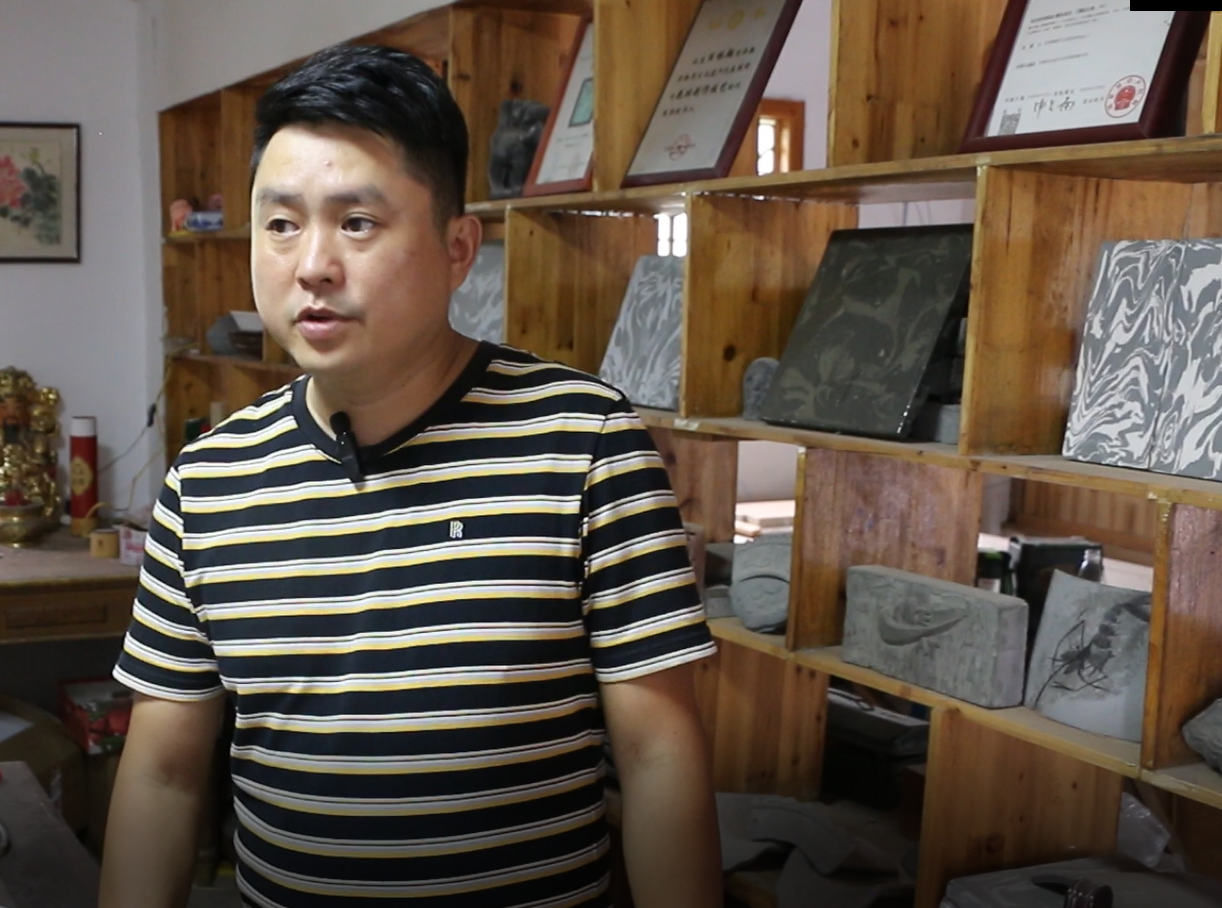
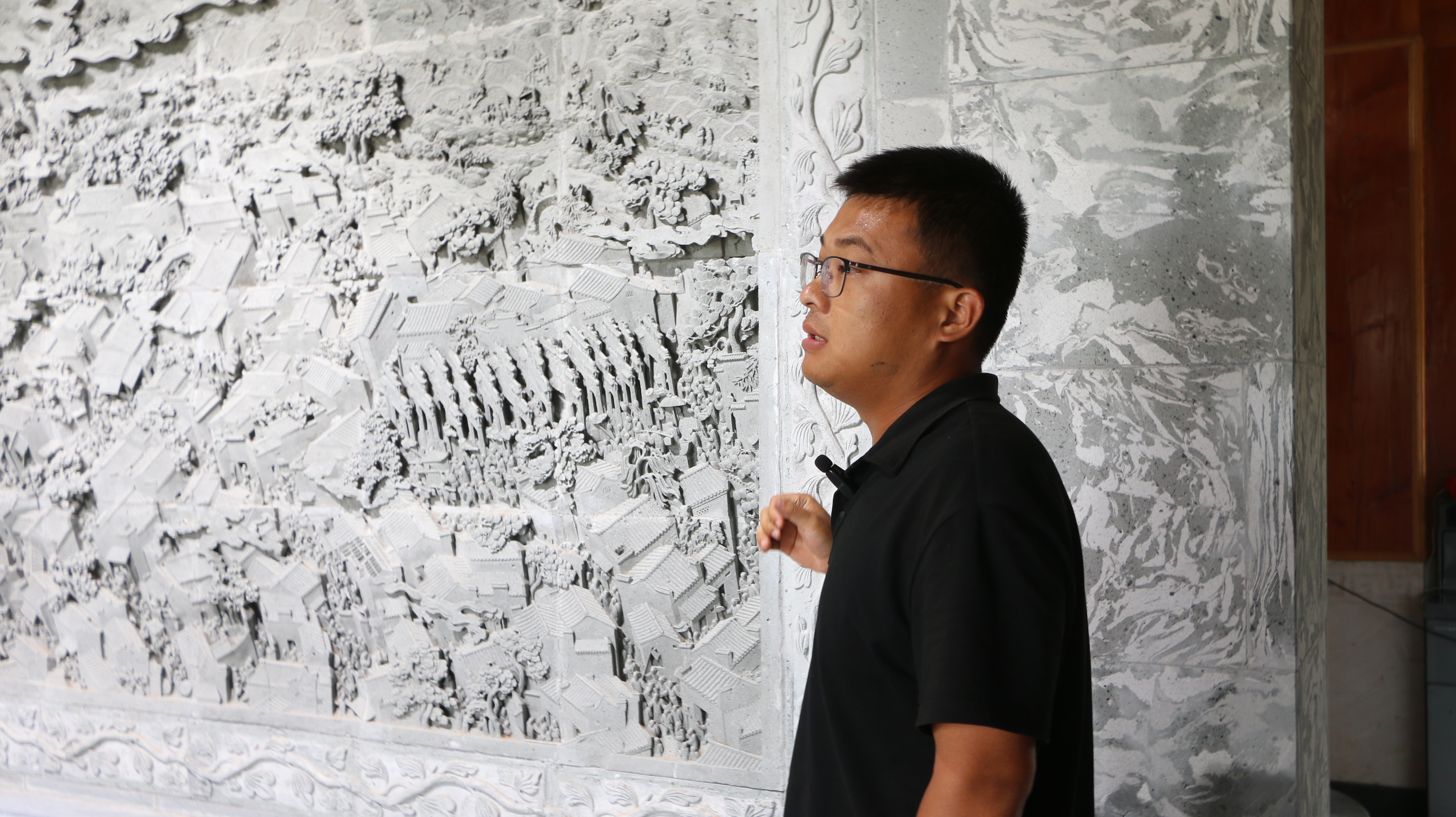
A type of fired brick unique to the Maolin area of Jing County in southern Anhui. Craftsmen layer "oily yellow earth" and "cold-water earth" in proportion, then repeatedly tread and knead them into a thick, sticky clay. After firing, the differently colored layers naturally form ink-wash-like veining—flowing like clouds and water, no two pieces alike. It is mostly used on the gateways and walls of traditional buildings, and its making craft is provincial-level intangible cultural heritage in Anhui Province.
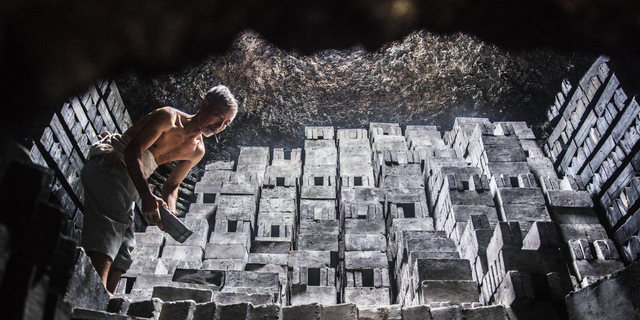
Overview & Materials
Overview
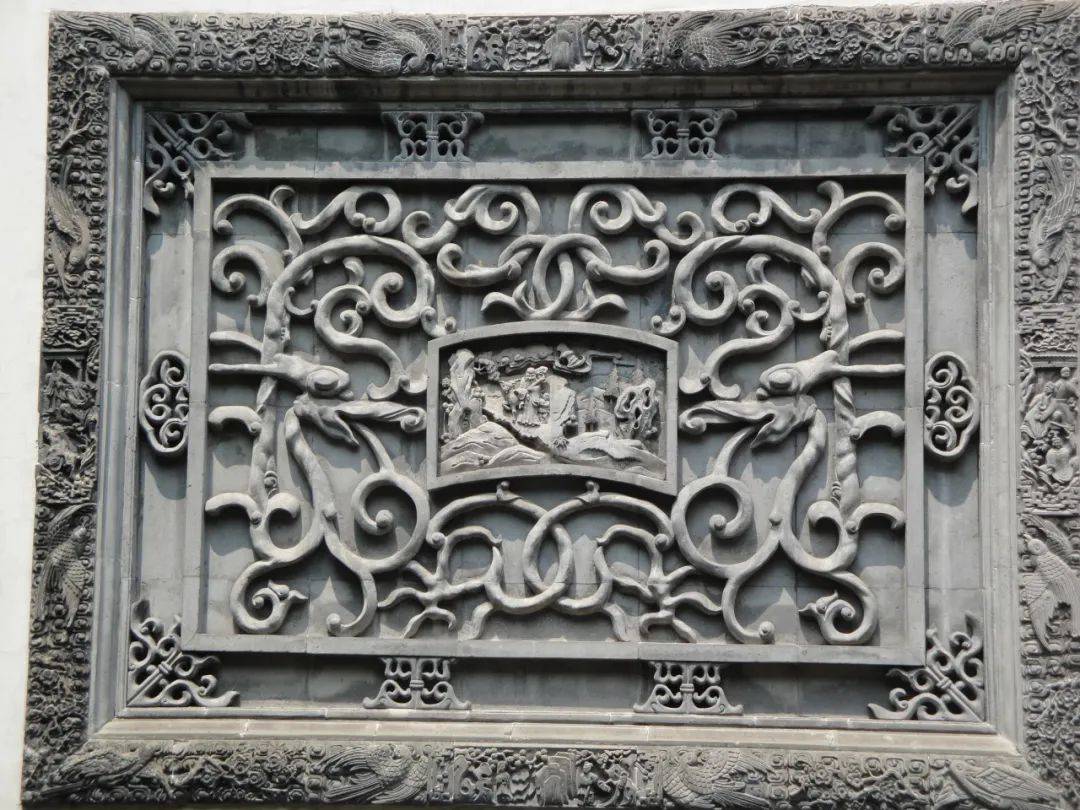
Decorative brick is a type of architectural ornament unique to southern Anhui. Its clay body contains iron and mica. After firing, the surface develops ink-wash-like veining in alternating blue-gray and ochre-white, and no two pieces are alike. It is mostly used on gateways, skywell walls, and hall partitions, and is an important carrier of the Huizhou architectural idea of "plain outside, elegant inside." For related architectural elements, see Ancient Architecture and Space → Architecture and Intangible Cultural Heritage.
Materials
The core raw materials are the "oily yellow earth" and "cold-water earth" unique to Maolin in Jing County. Oily yellow earth is a fine-textured yellow clay that may look oily because of certain organic matter it contains; cold-water earth is a gray-black or black soil.
Process
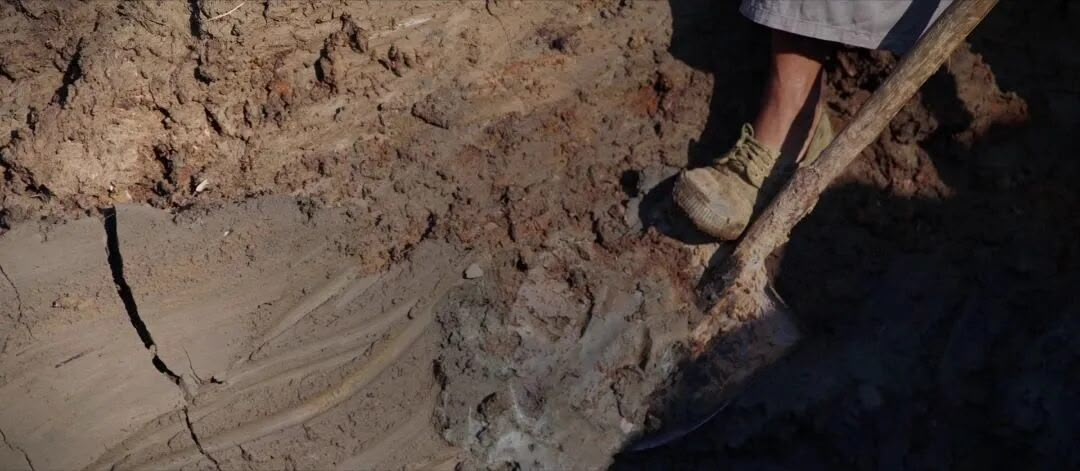
Digging the clay
Deep clay is dug from beneath the fields; a single kiln load consumes the earth of half a mu of land.
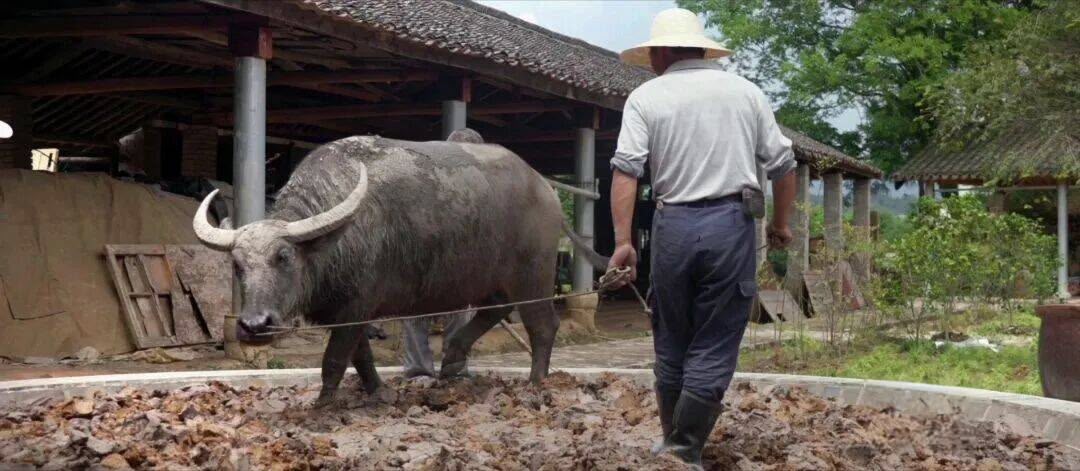
Tempering the clay
Men or oxen tread the clay again and again until it is worked "ripe."
Dialect · 熟泥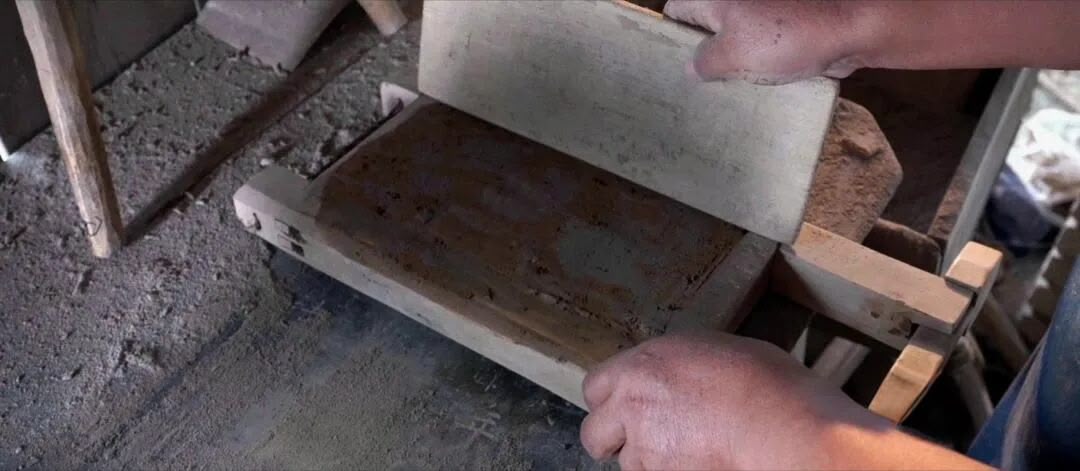
Molding the brick
The brick is formed in a single pressing; judging the clay's moisture is a matter of feel alone.
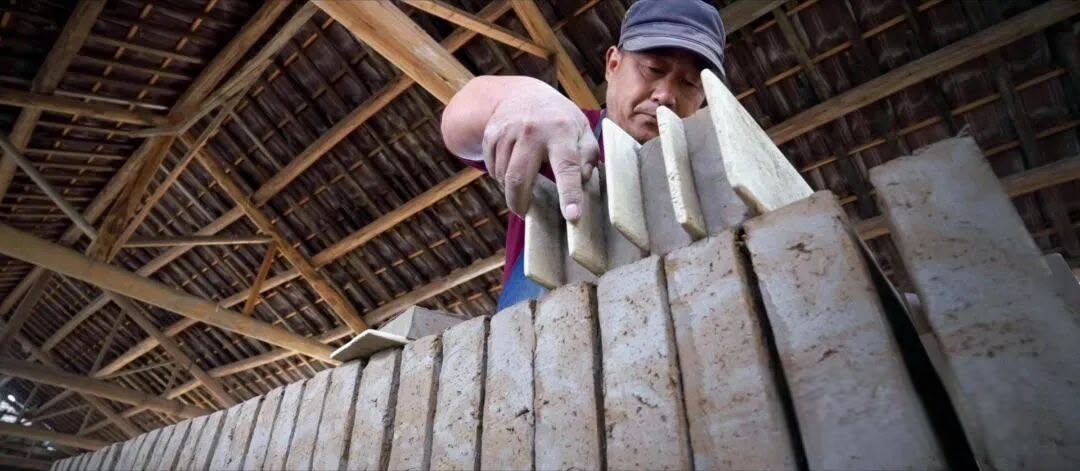
Shade drying
The bricks must never see direct sun; they dry in the shade for over a month.
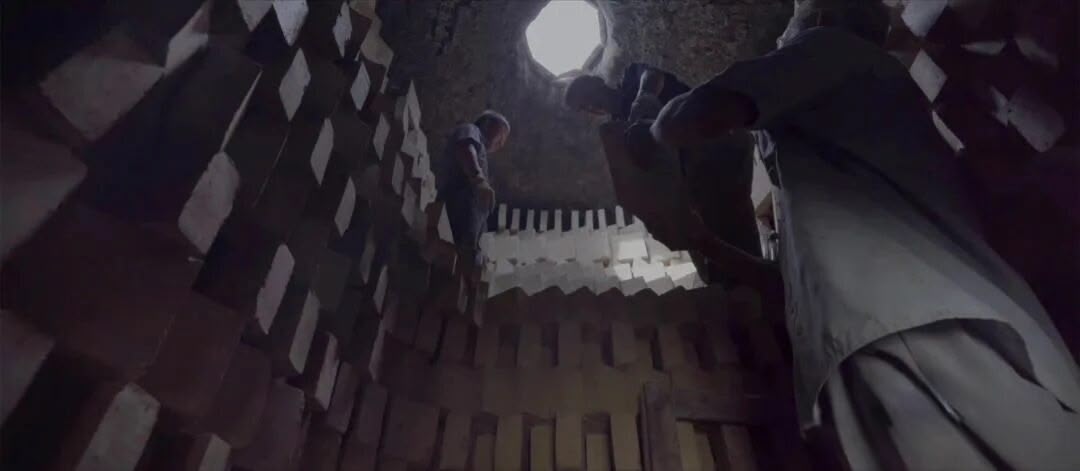
Loading the kiln
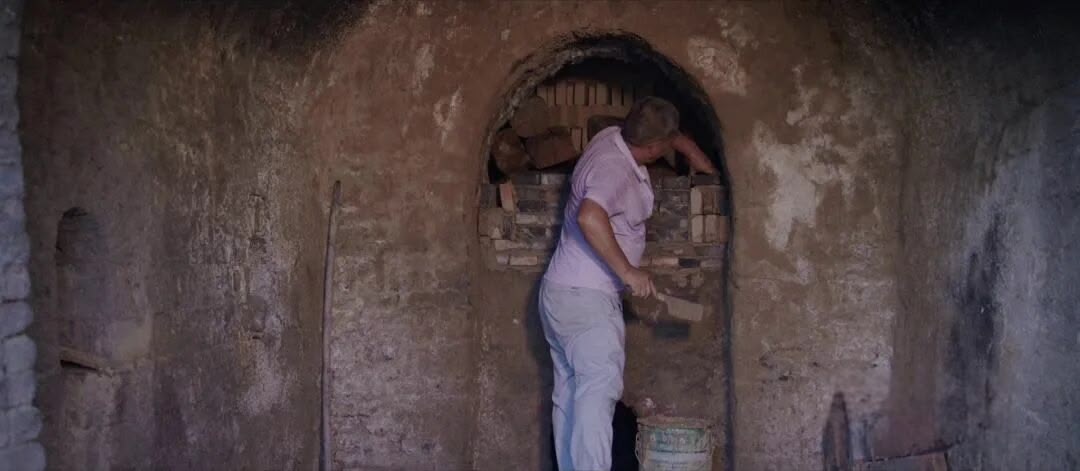
Sealing the kiln
Dialect · 窑火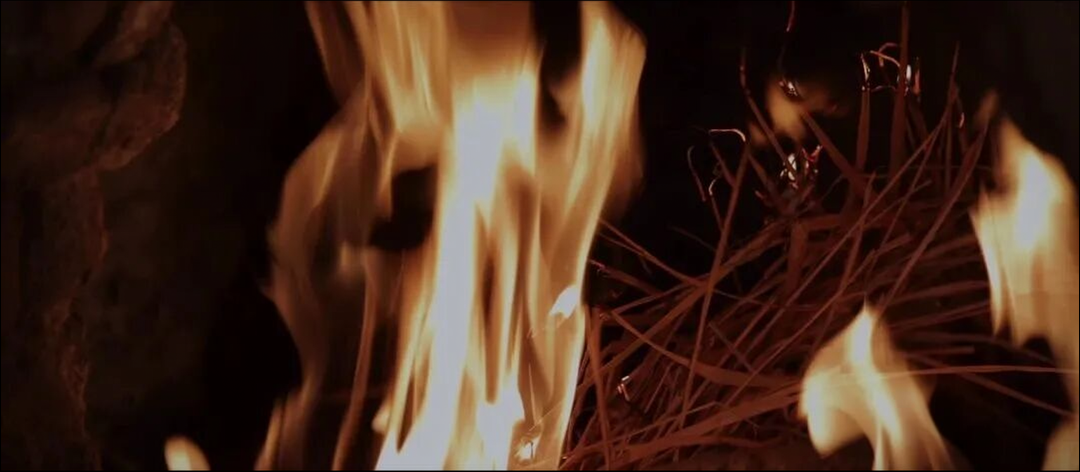
Lighting the kiln fire
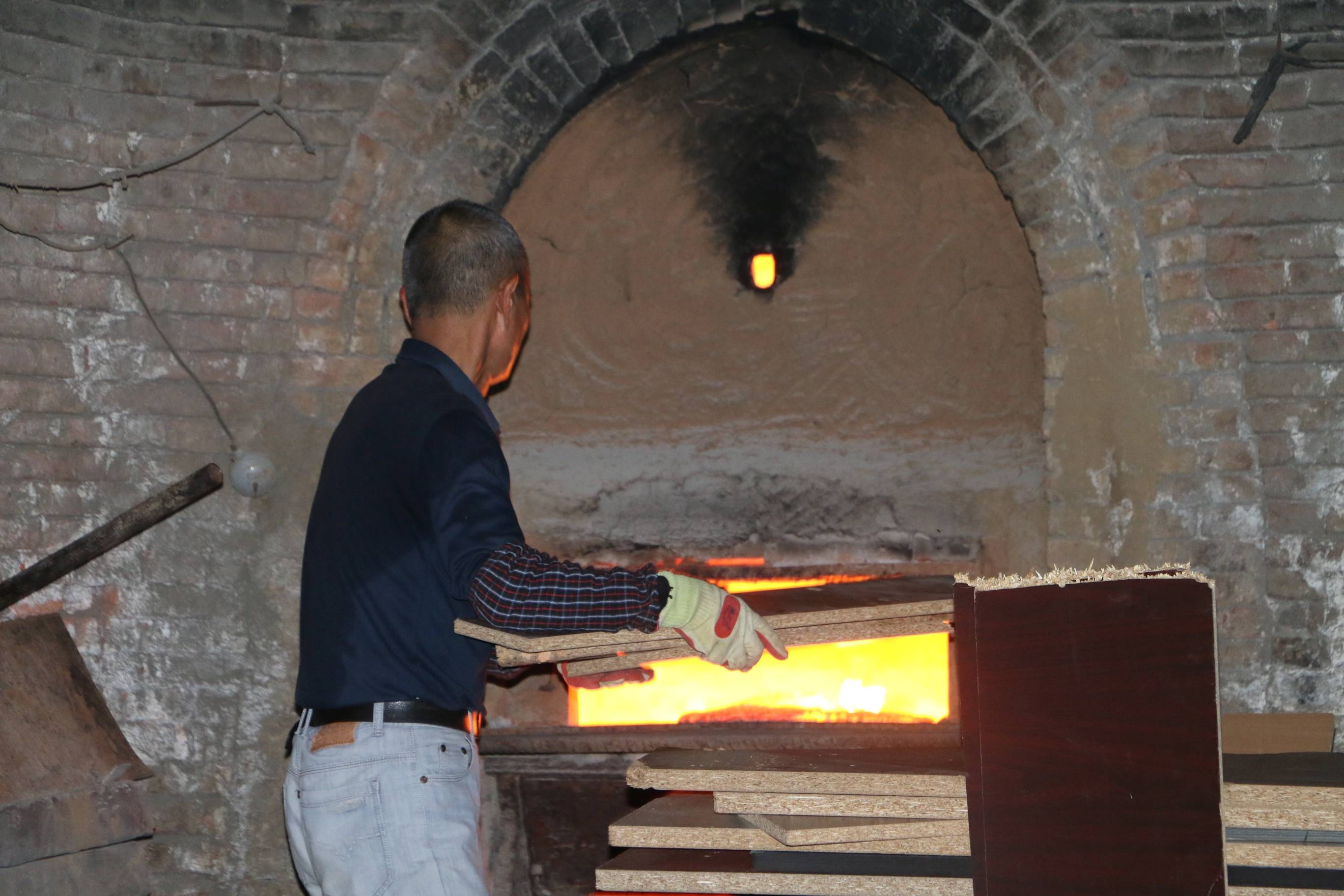
Firing the kiln
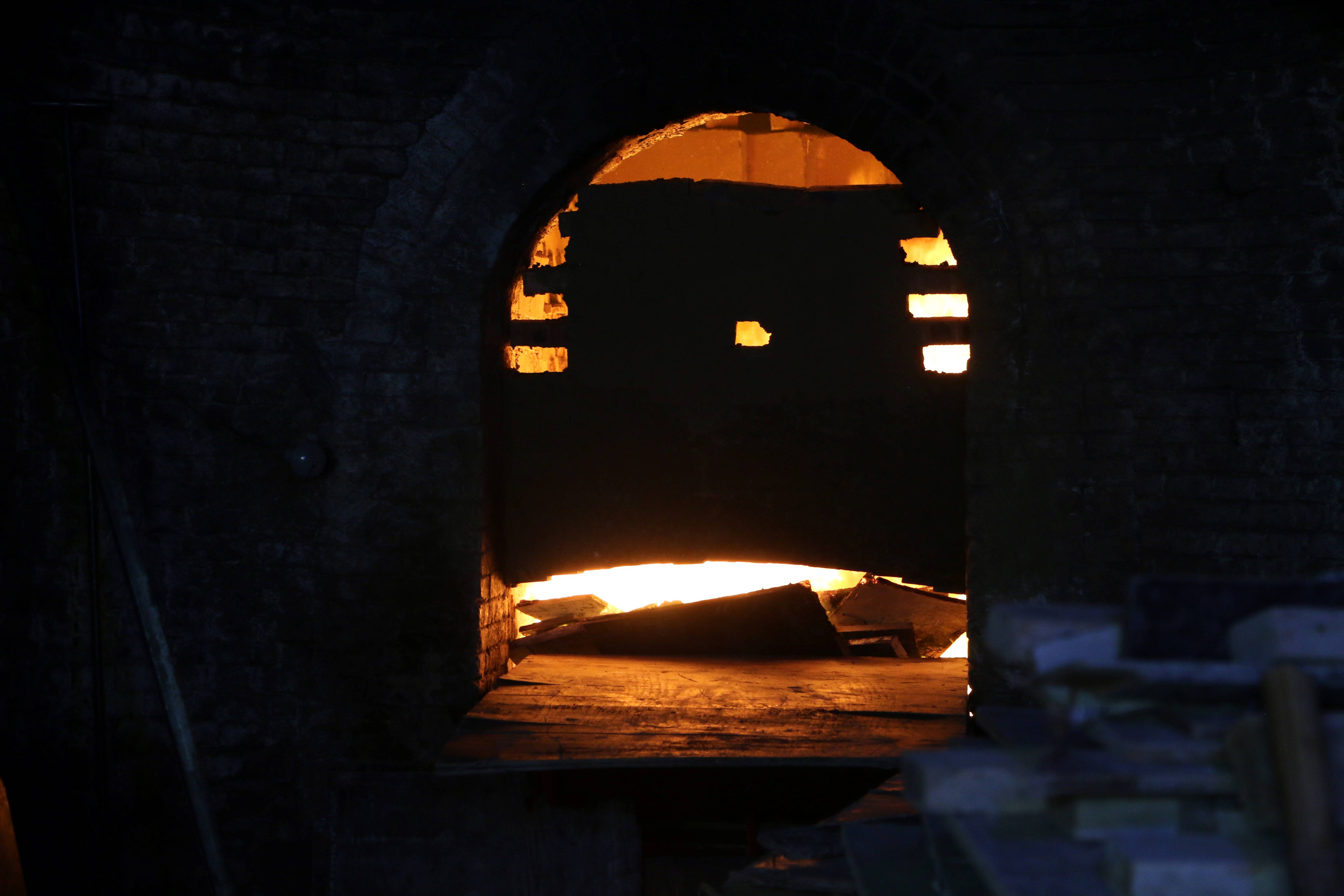
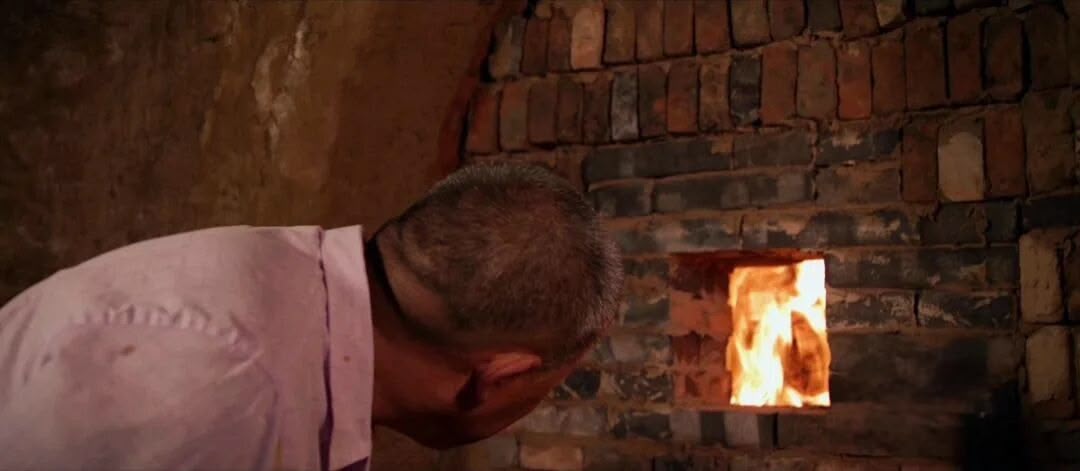
Watching the kiln fire
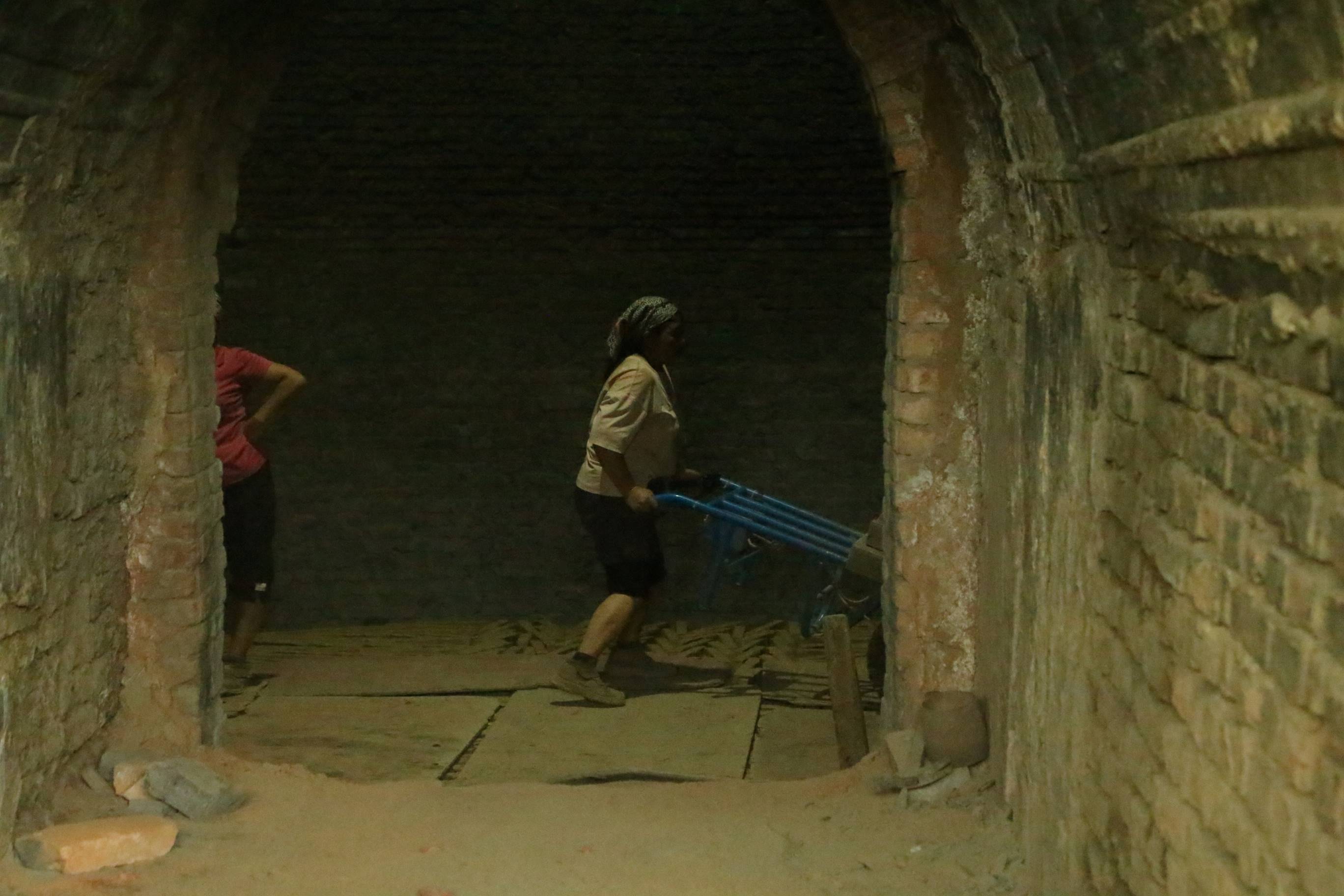
Unloading the kiln
People & Oral History
Full interviews, transcripts and translations are in the Field Archive.
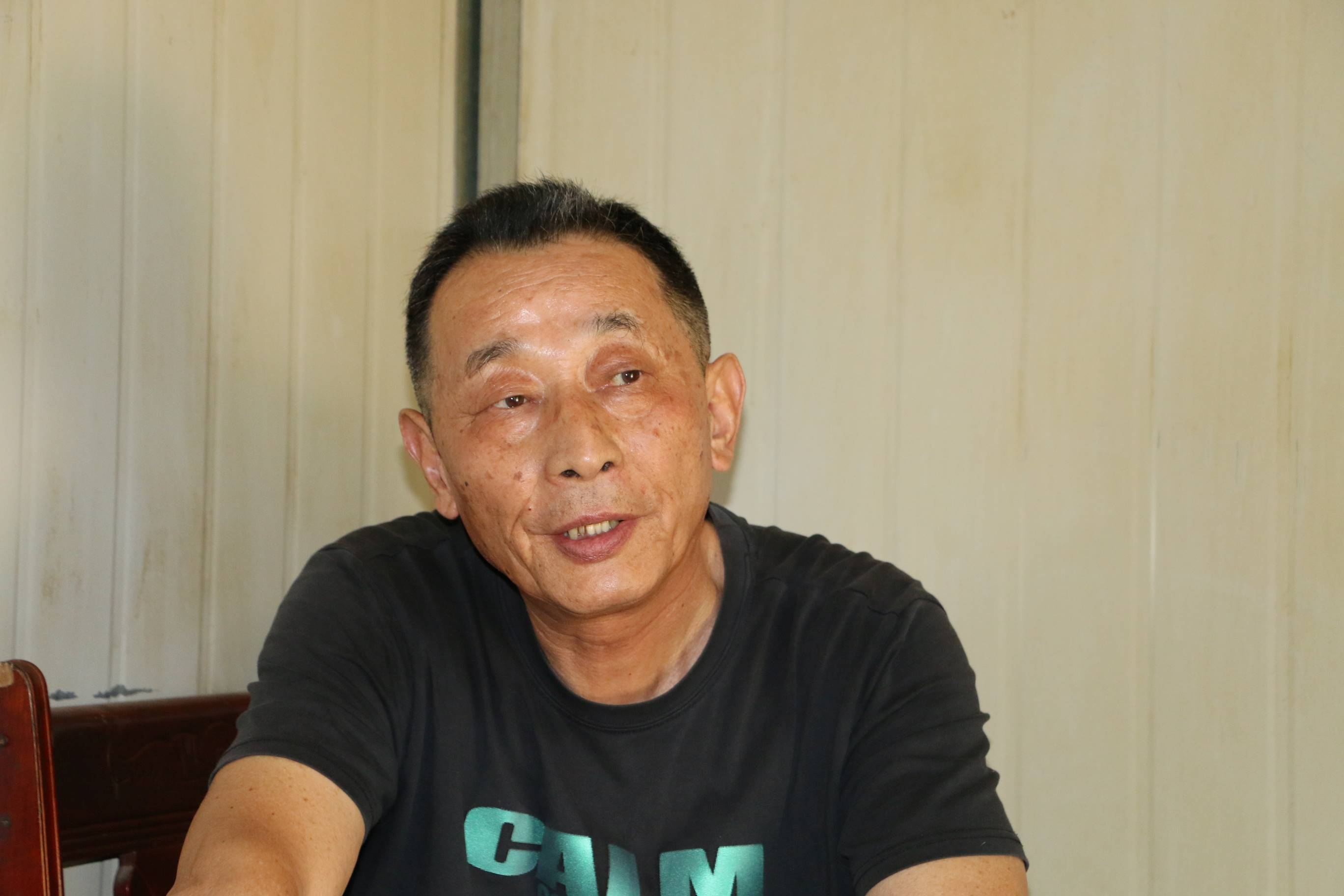
Zhu Shi Fu · Fire-Watcher at the Decorative Brick Factory
“This earthen kiln—once they've loaded it and it's time to light the fire, I'm the one in charge. From lighting it to the final firing, I handle the whole thing myself. And after it's fired, the water dousing—I do that too. ”
View full interview →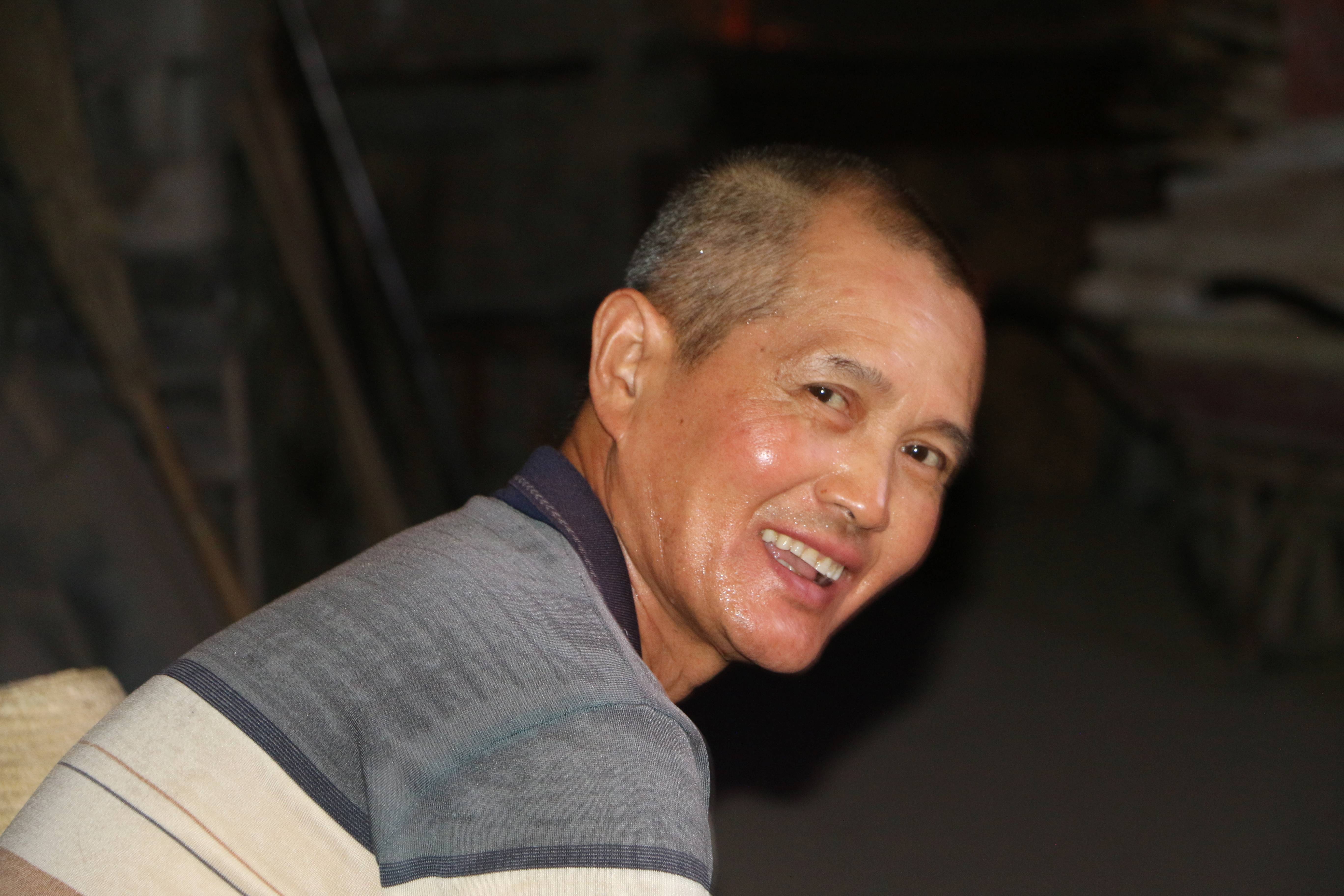
Cai Shi Fu · Kiln Fire Tender at the Decorative Brick Factory
“"People my age—the next generation just can't do it. They don't fire kilns. Our generation is the last."”
View full interview →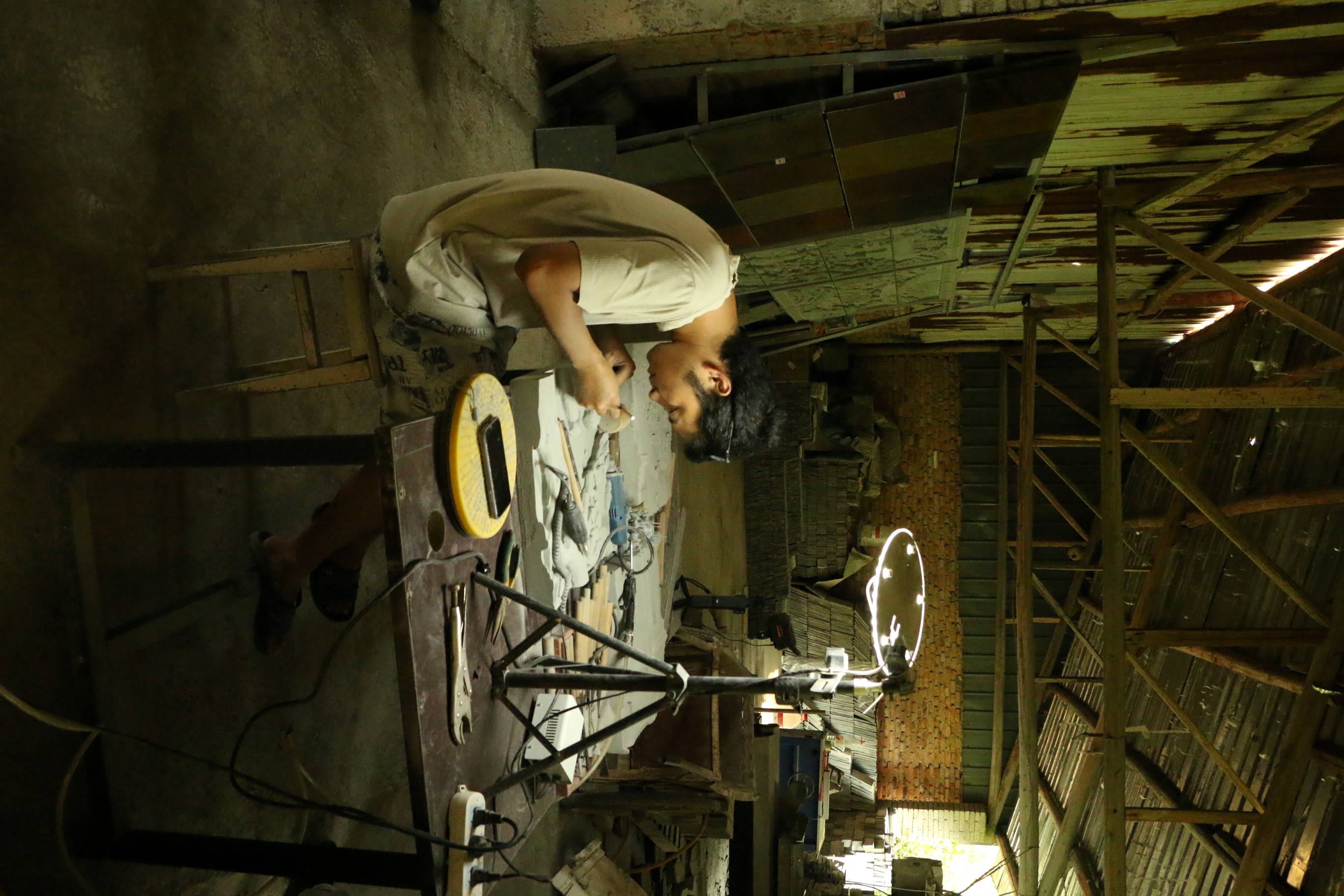
Fang Shi Fu · Brick-Carving Worker at the Decorative Brick Factory
“Anyone who does it can do it. But doing it well—that's actually not easy. The expressions on the figures, right. And flowers and things like that—flowers have their forms too, their expressions too. ”
View full interview →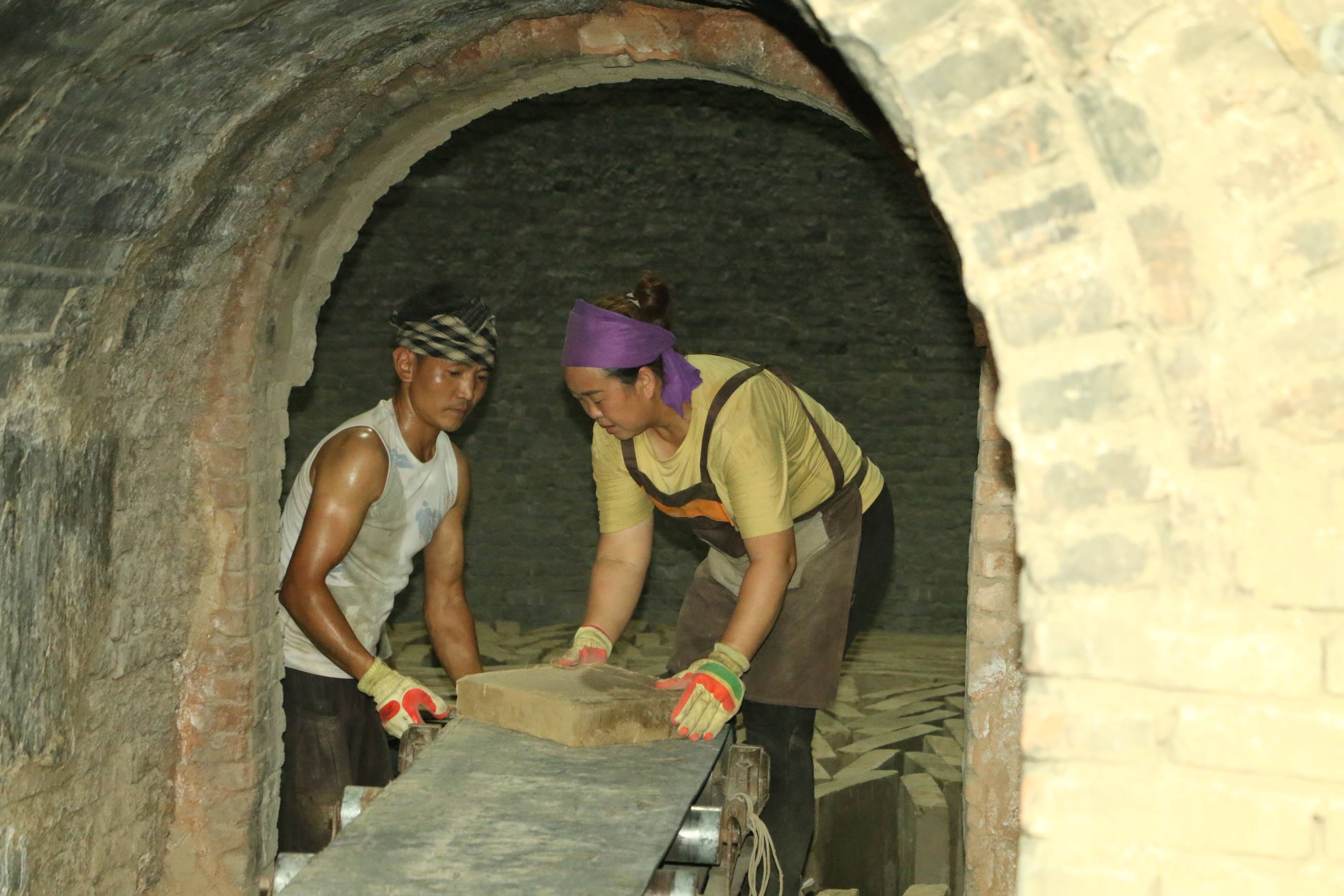
Status & Data
Challenges
Kiln firing is restricted by environmental rules, costs keep climbing, and the place could be shut down at any time. Decorative bricks alone aren't enough to keep the factory going, so they also fire golden bricks, small tiles, and the like. Fire-watchers are very hard to find now—most are nearly 80—and no one is willing to learn the trade after them.
My field notes
I visited two decorative brick factories over three trips—one in Huangcun, Jing County, and one in Maolin. Maolin is better known, and with its two old kilns, it has a real sense of history.
Related: Workers & Income · Field Archive
Related Photos & Videos
 Photo