
朱师傅 · 花砖厂看火师傅
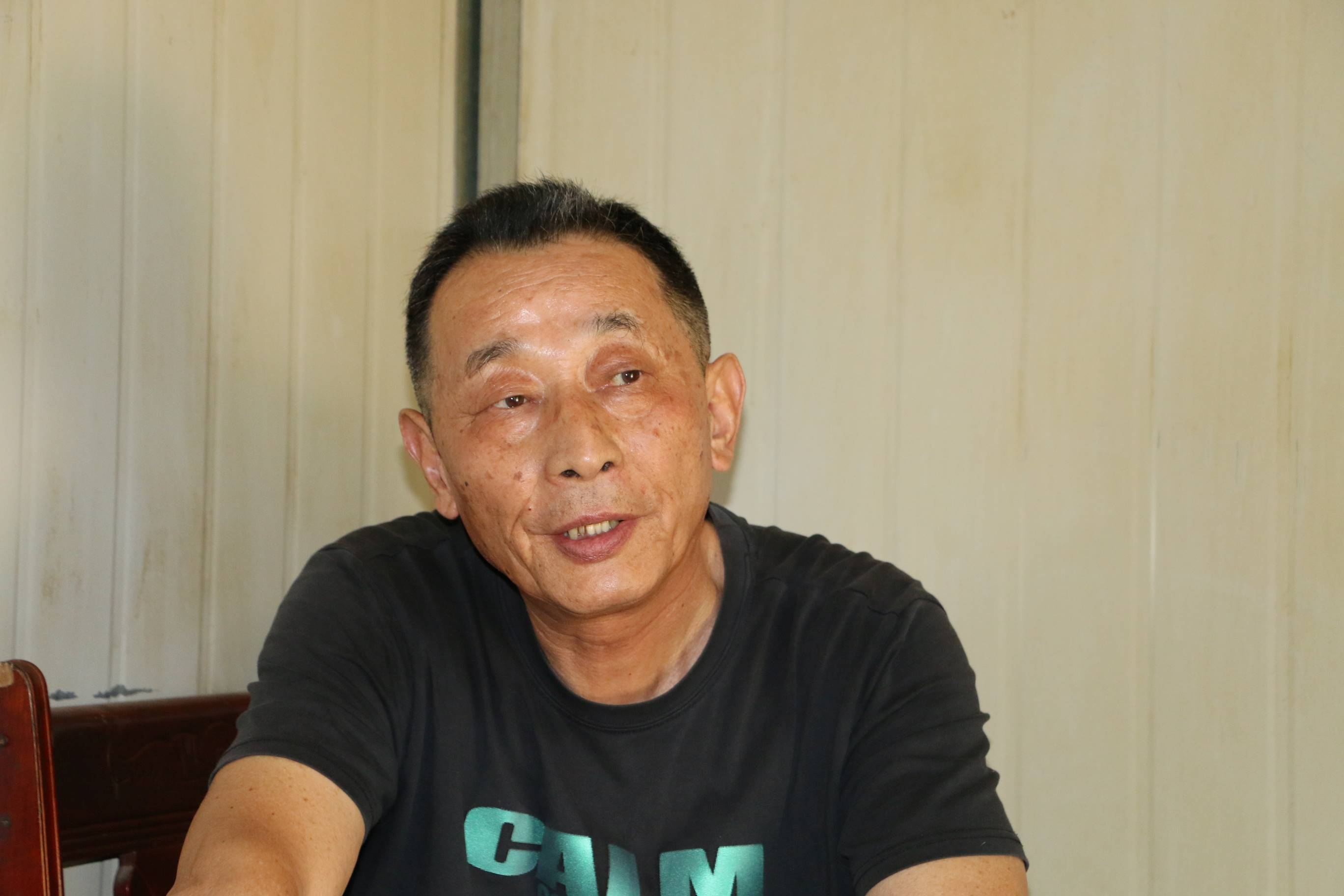
朱师傅 · 花砖厂看火师傅
授权状态 · 已授权““这个土窑,他们现在装好了窑,要点火烧了,就是我管理的。从点火到烧到最后烧好,都是我一手自己经办的。包括烧好了以后打水,都是我打的。””
完整转录
《花砖厂 朱师傅访谈录》
整理说明:问=采访者;朱=朱师傅;蔡=蔡师傅(旁)。整理时尽量保留原话,删除重复和无效口语;对录音中明显识别错误处,按上下文恢复,如“土药/土窑”“农药”=龙窑,“打水”“看火”“陆墓御窑”“龙糠”等。
问:师傅贵姓?
朱:姓朱,朱德的朱。
问:哪一年生的?
朱:1953年,11月25号。现在虚年龄74了。
问:干这行多少年了?
朱:烧这个窑到今年年底47年了。我27岁就烧这个土窑了。
问:您当时怎么开始搞这一行的?
朱:我们苏州那个村里面,大队里面。我们叫大队,以前不像现在叫陶窑村。我们那个村叫花泥村,现在属于花里村了。1979年,大队里缺一个人。我爸爸也是窑厂看火师傅的,后来大队书记说了,让我大儿子去烧窑。我就跟我爸爸学。那时候在大队里面挣工分。
问:您爸爸也是搞这个的?
朱:哎,我爸爸也是搞这个。我学嘛,跟我爸爸学的。
问:家里除了您父亲和您,还有别人搞看火这一行吗?
朱:没有了。看火不容易。大队里面其他人应该没有什么了。
问:您爸爸希望您搞这一行吗?
朱:那个年代嘛,怎么叫希望不希望,有什么理想呢?没有什么理想的。
问:后来呢?
朱:烧到八几年,后来88年的时候,生意不好,大的也不烧了,几个土窑全部荒在那个地方。到了91年,我们村里有一个大队书记调到别的地方去了,重新来了一个书记。91年重新烧,我自己承包的。改革开放83年国家分地嘛。大队里说,谁要烧,交3300块钱,三个土窑1万块钱。后来我们三个人报名。一个窑3000多,我三个窑嘛,大概书记说三个窑一万块钱。91年我自己承包烧的,自己买皮,自己卖。那个时候生意不太好,做一天就几块钱,3块钱。
问:后来一直烧?
朱:烧到后来,我们大队里烧到96年。96年做高速公路,碍事了,三个土窑就拆了。拆了我到常熟再去租人家的窑烧。
问:哪一年到常熟?
朱:2003年到常熟去烧,烧到14年。常熟那个土窑,常熟市全部扒光了,不许烧了,污染的。这个窑冒黑烟,国家觉得污染了。常州市发动,有几十个窑,那个时候那个地方多,几十个全部拔掉。14年下冬,正好过年的时候,我们就不烧了,回来了。
问:回来以后呢?
朱:14年回来,没有烧到15年。安徽省广德新杭镇,有一个彭塞,盛中海,还有一个黄老板,有6个窑。他们儿子6个窑,后来没有人烧,补的没有人烧。我们苏州人知道了,来问,广东那个新杭来做的。15年11月、10月12我过来的,到广德新杭。我们苏州人来做的窑。它不是原来有六个窑,窑是你们安徽的,当地人赔的,山是我们苏州人租的,租就是拆迁。你这个土窑租给我。
问:在那儿烧了多久?
朱:那年来了三个窑,一个土窑烧两个窑,一个土窑烧一个窑。16年,我们苏州的四个老板都过来了,租四个窑,还有两个窑是黄老板自己烧的。烧到17年。16年整年,两窑烧到4月多一点。那年正好国家大批土窑不许烧了,污染不许烧了。17年没有到年底,到4月多一点,5月不到一点,就定掉了,不许烧了。那么后来我就回去了。
问:回去以后又去哪儿?
朱:回去嘛正好,后来我们太平乡有一个老板,在陆安红旗桥红旗镇,盘了6个窑,他是08年盘的。我到陆安是18年,17年去当了几次窑,18年整年,19年整年,两年当了两年。2020年回来的,没有去。2020年回来,正好我那个弟弟身体不好了,我一直待在家里陪他。陪了他,后来我到这个地方来了。
问:哪一年到泾县来的?
朱:2021年,6月份来的,到泾县。这个时候他们以前那个师傅,王老板请个师傅,烧不好这个土窑,只烧黄窑。后来王老板知道我,小狗在新杭镇认识了我。我一直在家里,他这个地方有人,这个师傅在看嘛,他没有叫我来。后来2021年6月,我到了这个地方。到现在我来了五年半。
问:住的地方是来了以后搭的?
朱:来了以后搭的。一个集装箱,那个是搭出来的。这个太小了,我说我一个人,一个人搭在这个地方,我过来个铺,我怎么烧来吃。后来他们给我搭一点出来。就这样过来的。到今年年底,来了5年半。
问:多长时间回去一次?
朱:我基本上回不了家,一年回去一次两次,一趟两趟,就是过年的时候回去。中间最多回去一趟。我去年回去两趟,因为去自己老家配药,配点高血压的。今年回去一趟,也是配药。要到过年了回去。
问:他们都说看火这个活最重要,师傅没有了,这个窑就开不起来了。
朱:不懂是这个道理。这个土窑,他们现在装好了窑,要点火烧了,就是我管理的。从点火到烧到最后烧好,都是我一手自己经办的。包括烧好了以后打水,都是我打的。
问:打水也是您管?
朱:也是我。他们说你看看火呀,看火连打水的。我去年当时对他们说,我这个水你们打吧,我不打了。他们非要叫我打,我还是我来打。
问:打水也有讲究?
朱:打水怎么没有讲究?打水打得不好,全部下面上面有损伤。损伤这个台平,造好了过后打水,上面就没有用了,就扔掉了。
问:水怎么打?
朱:一个土窑,这个圆的,边上两面有两个复烟冲,后身有个大冲的。前面烧火的地方有个铁管子。我们就当在复烟冲高高,当在后身,皮管接好了掉下去。打水是打,放水量多少没有计算过,懂了以后你就知道了。那个水放下去这么大,这个窑没有问题的,不会损伤的。放多少水,最后扣,下面有两个标。到下面100多一点,120度、100度下面。打水的时候,这个标是整的。这个土窑里面烧的,全是火熊熊火的,最后打到火灭掉了,水没有了,温度慢慢降下来了,降到100来度,上面200多一点,那就可以,差不多了。
问:看火呢?他们说你每天早上去看一次,晚上看一次?
朱:我每天早上要去看的。
问:他们讲跟着三年都学不会,这是怎么搞的?
朱:这个凭自己的经验。又要看那个烧窑的火,又要管他窑里的那个烟。火和烟。有一个窑在冒烟的,我就看那个窑膛里烧的火,差不多就不动了,那就不要紧。上面的烟我要看,如果烟发黄的,那么说明我上面要去搞大一点。烟囱以前有砖头放好的,有9块放平的。本来一个烟囱是这样大的,有这样宽的,慢慢烧了,我要压砖头。烟囱里面关小点,烟道里面要关小点。
问:关小是什么?
朱:关小嘛就是压砖头。我们说这个叫关小压砖头。砖头把它变小,一定要这样大的缝。这个是三个烟囱。烧到一定的时候,砖头要慢慢地压出来,再和上压的这么长的两条缝。
问:这个也是您搞?还是您让他们搞的?
朱:我搞的啊,这个是我弄的。他们也不懂,他们不会弄。慢慢地关小嘛,它退起来小了。
问:那温度呢?
朱:温度嘛慢慢地他们上来,我关下去呢,他们就长起来的。
问:您从27岁开始,学这个肯定也不容易吧?
朱:跟我爸爸学,对我说说,有的是怎么弄,怎么搞。后来自己弄一个了,自己也总结经验,这个要怎么弄好。
问:您感觉学了多少年才能搞?
朱:我那个时候搞了,学会到九几年吧,五六年。五六年我自己。后来我爸爸不少了,大队里做不动了,他不做了,他就不来管我了。他有的时候就来看看我,来对我说说。
问:您觉得您的技术跟爸爸比怎么样?
朱:到现在,我爸爸的技术也好的。我后来有的也烧过几趟黄窑,我自己看,也烧不坏的。
问:黄窑是什么?
朱:黄窑最后是,本来是青的,窑里面打好水弄好是青的,后来打好水弄好,开开来是黄的。
问:您烧黄窑是在学徒五六年之间,还是五六年以后?
朱:以后啊,我也烧过几次。
问:那是怎么搞的?
朱:就是你掌握了,关键还有烧窑的人,烧火的人。你像现在他们的,有烧火的人。烧火的人你不能困了几十分钟。如果困了几十分钟,把这大骨头困了,那就这个骨头趴掉了,趴掉了就黄了。
问:以前在苏州烧的是龙窑?
朱:我们以前在苏州那个地方烧的是龙窑,大米的壳。像现在这个烧白城的,这个是烧木材的。我们以前是烧龙糠灰的。龙糠就是大米的壳。我们这个本地叫糠,你们叫龙糠。龙窑忙得累得不得了。
问:如果烧失败了,责任在谁?
朱:失败了嘛有,你就是有的把人家困了的呀,人家烧窑的,烧火的人困那里。那个也是我自己的窑,我自己来看。我在广州烧的,新航烧了一个黄窑,给他们困了。后来他们调监控,没有调出来。那个的话已经有监控。我估计,我都没有空,我不懂怎么调监控,他都没有调出来。反正烧了一个黄的,损失就有点大喽。16年年底吧,16年年底烧过一个黄的,在新航。
问:像您这样失误很少了。一般正常如果烧窑人不困、不睡觉,不会不会有大事?
朱:哎,他们这个靠外面的看温度不行,就是一定还要看火、看烟,看那个窑里面的。烧到一定的时候,窑烧透了、熟了,那个有几个洞的,要煨火,看这个煨火。
问:煨一次火有多长时间?
朱:没有几分钟,几分钟就看出这个窑好了还是不好了。你如果这个窑烧到那,再烧个三天差不多。我估计三天到最后一天,我去看看这个尾好的还是不好的,我就知道了。烘窑了一天看两次,这个时候就要冲量一下。不一天要看两次的。到最后差不多了,窑里面基本上我看得出这个窑是好了,下面也透了。
问:您是在下面看还是上面?
朱:我上面要看,下面烧窑的,上下都要看。这个一般的人总结不出这个经验的。我是烧了年数,烧的年数多了。
问:您带徒弟了吗?
朱:没有。
问:为什么不带啊?这个手艺。
朱:我现在对你说,这个徒弟怎么带?他们谁肯学这个东西去?没有钱的,你带徒弟没有钱。我到了这个地方,有一个烧窑的人,现在63岁,他们人也细工。我说我来教你,教会你。他说我不要学,学会了老板不叫他们看了。现在都是老板。你要老板插嘴出主张。你叫他老周,你把这个教会他,往后你做不成了,我叫他看。他这个人就肯学了。要我叫他学,他也不肯学;要老板叫他学,他才学。老板不拿你,不拆嘴,他不学。跟老板你也答应,你学会。这个是想学就能学得会的吗?这么难的事情,他们都讲要学了这么多年。要请那个人60多一点,他要想学,我教他,他本来是会烧窑的,懂烧。他不肯学呀。他说我学会了,没有人叫我做这个事,我去学干嘛呢?
问:蔡师傅很羡慕您这个事情啊。
朱:羡慕嘛,人家到了现在,我太看破嘛,人也没有什么。我懂了嘛,不要操什么大的心的呀。
问:像他们讲您一天开两次,有时候两天三天去一次,这种一个月拿的钱比他们还多。您一个月是按月给钱,还是按年?
朱:一个窑5500块。他们从装好窑点火开始,我给他们看好,5500块。
问:一个窑5500?一般烧多少天?
朱:要烧27天、28天,有的26天也烧得好。
问:开始我觉得每天花这么几分钟,钱拿得还好。后来他们讲,如果没有这样一个师傅,几十万的东西就保不一定保得住了。
朱:没有烧的现在出出来这个要多好?没有这个本事你就焊不好,搞不好的,不懂这个。
问:那您这个也不算固定工资了?
朱:我哪有固定工资啊?他就是烧嘛,他要装得烧嘛,我给他看好嘛就有钱嘛。
问:淡季旺季有差别吗?
朱:他这个一年四季烧的。
问:一年大概有多少钱?给您买社保吗?
朱:没有,我74岁了。年龄年龄。
问:每年挣钱会增加吗?
朱:我跟你说,就是去年到今年增加的。本来是我只有12万一年,还得跟那个黄老板干活。原来一年12万,每月1万块钱。那么后来去年呢,来了两个老板,两个窑租的浙江人,两个窑租新房的王老板来找。我说你们两个老板来,我不看了,我回去了,不租了,不想干了。我说我不租了。后来今年我对你说,去年开始,后来我说你要叫我待在这个地方,我不跟你们一年12万,每一个月6000块,我给你看好。所以这样的他们定下来的。去年开始,从去年总共烧28个了吧,28个窑。去年多一点,12万8,6848?去年17万块钱不到一点。今年就烧不到这个窑数了,今年再做是26窑。
问:为什么?
朱:去年384天了嘛,今年就365天。今年他们生意不好,有的好像他们做事还要啥,那个也不抓紧来。我们家抓紧这个?不是抓得紧,环保的那个事情。不是环保,他们老板也松了,生意不好了。烧出来烧得快了也卖不掉。所以慢一点烧也可以,就没有搞得很紧。我估计今年再做个26个窑,4个窑。
问:您这个好像不需要搞什么体力?
朱:体力嘛就是烫一点。如果我不叫人家做的时候,我要做门。装好了要做好门,上面天地要去挪好。上面不是有一个一个的嘛,叫天地摇在上面。他们装好了,我要去做好的,留一个小时做。做小,本来一个坑大的,你去把那个砖码起来,把它变小,砖码起来做小的。
问:这个好像不像别的会有职业病?
朱:就是经常动的地方,整边病。像我们,因为现在有的冒烟,黑烟的你也不能闻,切到黑烟,闻到了要呛的,有职业病的。也有,这个烟里面有黑烟,你肯定闻到了要呛的。像我们这个年纪了好一点。你在上面的时间,一般看火几分钟,然后做那个要一个小时,做一个小时,上面下面要,下面要一个多小时。烧它个一个礼拜,那个上面都要去慢慢去加一点砖头。最后烧了半个月,那么那个我现在做的门这样的,要去做小。那就烫得不得了。然后还要弄泥巴,做好了以后还要弄泥巴封好,密封好,用泥巴封,用黄泥,都要封好的。烫得不得了。
问:夏天难过?
朱:夏天难过,烫得不得了。我身上有的皮肤都烫坏了。你当他们那烧,温度数出来,你当他干活,大概多少度?多少度?五六百度吧最起码。烫得不得了。我有的要扎厚的衣服,穿厚衣服,套好弄好,烫得不得了。
问:今天有没有要搞的?
朱:今天不搞了。我一个一个要,毛衣搞好了,那个窑也系好了,今天没有什么。
问:整个烧窑这一块,他们都羡慕您,觉得您这个事最好。您有没有想其他干的?在这个窑厂当老板?
朱:我不想做。我要做了,当14年结束了,我就自己还想做老板,还可以问他们租了呀,还可以烧的。不想当老板,不想做了。我跟你说这个老板难做的,老板难做。像这个嘛,就是多烧一点窑就多,你就多赚一点少赚。但是不存在像他们,他的东西卖不掉。我们这个做这个黑猪生意啊,气场多的。这个拿这批货,欠给人家的,欠账,我们叫欠账多的,欠账很多。就是东西给人家,不是先拿钱,不是拿钱来买,先送过去。他们拿了货山,他去卖掉了,他也不给你钱了。有的人。我以前在苏州自己跑,跑到那里,我经过了。
问:你们这个是私人做生意还是跟?
朱:他们也是私人。我这个你作为销售的,在外面跑的,一手拿钱一手拿货呀,有客户的。有的哪个工地上要用什么产品,来就要找你的。那么你没这个户的,他有一个包的,有长,有一个的,然后就问我来拿。然后他拿了一些钱。你你要我这个货,你钱马上就给我,我就不来拿了。因为那个时候我们苏州要多呀。你不买他卖的呀。这个生意我后来烧到14年就没有烧了,不烧了,不做了。这个做下去这个钱也难弄。
问:在你们本地懂这个手艺的人多吗?
朱:懂这个技术的人,多是有的。以前多的,现在有的都过世了,老一辈过世了。像我这个年纪是最轻的。像我们老家没有,没有了。
问:那他们技术都传给下面了?传给年轻人了?
朱:现在传给?你愿意让自己小孩子干吗?你自己小孩,你爸爸都让你,都传给你了,你不传给,传不下去了传给谁?我儿子传过来到这个地方来,要两个来看这个窑啊,不可能的。他不愿意。他现在在老家家里去了。本来我儿子如果不做,我待在家里,我的孙子我去上学下学,我去接送的。现在我出来了,我儿子不好,这个小孩没有人接送。所以现在我儿子在家里接送那个小孩。儿子大的孙女儿呢,21岁在南京,已经读书,在南京念书。小的孙子就14岁了,还在老家,老家那个苏州高铁新城那个地方。
问:像您这么好的技术,不传给儿子,不觉得可惜啊?
朱:传给我儿子?你看不好,老板也不要的。但是过几年不就能学好?过几年了,你没有来学的,还有人学的。你想当地蔡师傅,我想教他,他不肯学。
问:蔡师傅为啥叫蔡师傅?我想让我女儿过来跟你学,他们都讲你这手艺好。
朱:你什么时候会在上面?做小做砖那个,一般的哪什么时候?他们要做好这个窑,现在不是来一个窑在装窑吗?装好窑了,装好了,你明天做吗?他要过三天,他说要装三天。今天不做,明天后天大后天,大后天做。今天25号吧。你做的时候他还没烧起来吧?没有烧。你先做,然后他烧了以后烧了一段时间,做好搞好了,上下搞好了,然后他们吊,然后他们点火了以后,你根据那个烟再上去,看看要不要再把它搞小。这个当时候做好的点火呢,不要紧的。反正我做好了,你们烧,烧一个礼拜不要紧。烧一个礼拜,后面再看要不要搞小。像那么过了一个礼拜,我上面有砖头的,那个宝有几个,这么大的一个一个点我归,有5块砖头,我要归的。今天归一块,明天放一块,这样搞的,慢慢搞。哎呀要搞4天的。这个上面5块砖头,我要放四天,4天放好,5块砖放4天。他们你一下子关了呢,蒙紧了吧。那个潮气往上跑不掉的,跑起来慢了。这个道理的,这真的是技术活。两个潮气一起烧,一起跑,跑跑跑到最后,它慢慢就干。上面那个水分干了一点,我再压一块。
问:您这个应该叫手艺了,不能叫打工了。师傅带师傅,老师傅。窑师,烧柴的叫窑师,还叫窑师傅?
朱:烧窑的我们叫烧火师。
问:还有什么事?
朱:还有他们装装车的嘛,叫装车窑。出窑嘛叫出窑。我们说这个做小工出窑,出窑就是小工。烧火的也是师傅。你们是大师傅。烧火嘛也要有技术的呀,会烧的不会烧,这个里也有技术。但是蔡师傅讲烧火,他讲没什么技术。没有技术?在最后几天上熟釉的时候,你要就要会烧。会烧的就好快,你要不会烧的烧得慢。所以这个里面有的说不清的。
问:您讲的是煨烧还是会烧?
朱:煨在烧,煨做这个事不会到不会。会烧,有的懂的人,你让蔡师傅就懂的,他到那个现在到时候了,他就懂怎么烧好,他会烧。有的人烧了也会烧,但是烧的火力不大。就这个道理。
问:我听您讲,我都觉得要是这个传不下来,有点可惜了。
朱:传给传不下来,我传给谁呢?
问:收个徒弟啊,这边肯定有人愿意学吧?这个难道以后窑就没有了吗?
朱:我还不知道啊。窑还是有的。这个机器,这个事情机器做不了。这个看火,你不要人工看,你懂的和不懂的,不懂的就烧不好窑了。打水打得不好也是,烧的你看的不好,下面都几层黄的。几层黄,你看的不好就几层黄。下面都要水分排干。
问:您孙子在苏州上学?
朱:孙子在苏州上学,苏州北站那个地方。
问:您一天去的时候也很少,大部分时间在这干什么?
朱:当然寂寞嘛。当然这个地方,抽抽香烟,看看电视,看看手机。我就是这样。
问:玩手机不?
朱:玩玩就看看抖音,也不会发,也不会弄的。看看抖音。我也不会发,你发信息也不会发的。
问:跳广场舞不?
朱:不去的,我一个人不去。我从来没有,我没有去跟村上的人这么近,我没有去,不跟他们聊天,不去唱。叫手机上叫,唱唱什么,唱人家七七。到人家去玩吧,串门,串门去呀?他们你经常去了?他们麻烦人家。我就一个人就待在这个地方。没有菜了就开电动车出去买一些菜,自己做。
问:买菜远吗?
朱:到城西去买,城西镇上去买。
问:多久跟家里打电话?
朱:没有天天,有的有事嘛,老太婆打电话过来。
问:准备干多长时间?
朱:我想准备干到今年年底不做了,回去了。我女儿不要,叫我不要出来做。我儿子我有一个儿子一个女儿,心疼你。他说你做一世人生,做到这个时候差不多了,这个钱挣不光了。
问:你们现在是想给儿女搞点钱,还是自己应该?
朱:我给儿女,给孙子搞钱了,搞点钱。我再用不掉嘛,都是他们的。
问:您敢把用掉吗?
朱:用不掉的,怎么用掉呢?到这来在这都花,都没地方花钱,就买点吃吃呀,其他的也没有什么。
问:身体还好?
朱:就是一点高血压,其他还好。74岁了,跟我一样大的,以前小的时候玩的,死掉了好多嘞。已经过世了,跟我差不多,大的一岁,小一岁的,都过世了。我叫我这个人心态好了,这身体还好。我们泾县这个地方长寿的人很多,90岁的很多。你们这个地方空气好。我们这个地方在泾县,老人活到90岁还是蛮多的。像我们苏州那个地方,生活水平嘛高一点,到底人多。
问:师傅,麻烦您了。晚上您要不要去看火?他想拍一下。
朱:看会不会要7点多一点,要暗了以后7点半。要是我在的话,我就去看一下。如果还没走,我们就去拍一下;如果走了就。白天拍,白天拍的烟洞里看不到火,拍不到火。
问:师傅不好意思,我们个把小时,我给50块钱吧行吗?我扫一下你的码。
朱:我手机上没有钱的,不要钱的。不要紧的,没有事的。反正我也是玩,没有事不要。
问:当时录完那个地方有记者来采访了,拍了怎么样的,您有没有?
朱:好像在黄道成的那个新航,我在新航那个六个头呀,16年的时候,他们也有几台过来看了弄了,他们也拍这个,也拍了。
问:您知道这个是非遗吗?他们做的这个花砖是非遗吗?
朱:非遗,这是非遗。我们这个技术都是属于非遗的。一般人不多了。像我们苏州啊没有什么,没有几个人。苏州都没几个人懂吗?苏州没有土窑了,就两个地方有土窑,这就一个。我们以前那个陆墓御窑。陆墓御窑,那个以前是旧社会乾隆皇帝叫开始烧这个土窑,后来他们烧了这个金砖,卖到北京故宫里去了。
问:金砖最开始从苏州开始搞的嘛。
朱:哎苏州,就是陆墓御窑开始烧的。那个年代烧了以后卖到北京。乾隆皇帝开始烧,乾隆皇帝。有多少年数我也不清楚,清朝。那个时候开始烧了,烧了这个金砖。他们有的大的金砖,卖的都装到北京故宫一起的。那么浙江也有个窑的,浙江余姚。那个年代古代。那么后来为什么封的我们苏州,余姚没有封。余姚就是说这个金砖的叫余什么余吗,这个我不清楚了。反正陆墓御窑,我们叫陆墓御窑。我帮你写个单子。造金砖的,那个封的是皇帝封的,封我们苏州陆墓御窑。
问:现在北京故宫里要用的东西?
朱:今年计划好,明年要翻了。那么这个什么产品,还是弄五菱的,还是弄四菱的,还是弄60的。所以他们定好了以后,大家都要到陆墓御窑去。那个老板要去定好的,我到明年几月份要的,你也给我做出来,要烧出来。都是这样搞的。
问:你们现在不是换电窑吗?您觉得电窑能烧出这个东西吗?
朱:电窑不行。他们有的拿天然气烧的电窑,天然气,气炉。天然气烧的烧不好,就是天然气烧的质量,烧不出这个质量。要小的窑啊好好烧得出来。像这种窑肯定烧不出来的。这个因为厚有8公分厚了,你想是砖厚的,东西厚是烧不出来。东西厚就烧不出来,烧不透的里面,没有这个火力。
问:这个这样传下来有点可惜哦。
朱:后面你让你跟你的,一起干的师傅,有的老师傅都走了,都走了。像我,当在以前在大队里面学,马东里呢,八几年的时候,烧的人老一辈都死掉了。像我们就是跟着这些大队烧的人,大队里烧的老一辈,我们以前我27岁跟他们烧,有的有的老头子。我觉得你不应该找那个,你让你传手艺,你不应该找蔡师傅,蔡师傅都60多岁了,你应该找20多岁的人。
问:20多岁?
朱:20多岁我跟你说,有的你不会,不会烧这个窑的,你吃不准这个火的。他还是懂一点的,他得懂。吃不准这个火,他也要当一个窑烧的话,烧到什么时候烧得好,烧到什么时候烧什么。他烧过窑的,你就学起来快,学得精的。你虽然说你二十几岁的人,你要叫他来看护,要天天跟着我,也晓得的。因为他不懂这个窑什么时候,烧了一个礼拜可以烧大一点,再烧这个几天还可以大一点。不会烧的人他也不懂。他们这个整个村子都会烧,他们这么大的人都会烧。他们是烧烧一个窑的窑,不是这种土窑。他讲他烧龙窑,烧缸棒的这个地方。他以前就是也是这个大缸小缸,烧缸的。烧这种的。他们为啥在你们这个地方?白的都是烧我们这个要两样的,白的不是一样的。他们所以他们说煨烧煨烧,烧是煨烧的。你有的平时,有的人干活不行的,你烫了就慢一点来烧的,你就烧起来时间长了,该要烧5天的烧6天。总量差不多,这样烧上去就快一点。我加了一炉柴,烧个20分钟,就慢了。有的人说十五六分钟又要去加了。所以干活的人不一样。
问:那我们去再看一下别的工序,去拍一下装窑。
朱:好。
问:师傅您有微信吗?可以加个微信吗?
朱:微信有的,你加我也不会搞的。
问:我来搞。我也姓朱。
朱:你也姓朱啊?老祖宗一家嘞。
问:我家是泾县黄田那边,跟宋代朱熹我们是。他一边到了福建,一边到了我们泾县。
朱:我们咋不知道呢?你们不知道。这个是是从哪里来的,我也不清楚。
问:这个就是你的微信啊?
朱:对,我姓武?我还有一个事。
问:你说。
朱:我今天在那个,我从去那个广德那那个窑厂。我是16、17年交了钱,烧了几窑,烧了两窑,交了3万块钱,烧了两窑。后来国家就不许烧了。我这个钱,那个老板不肯抽。
问:哪个老板?
朱:是铜山,铜山的。那个房舍叫房舍。他不肯那个土窑,我问他们租的。
问:他是不退给你租金是吧?
朱:退给我租金,那你给我刷到17年刷到4月份吧,还有上到年底嘛,还要退十来万块钱给我们。他不肯退了呀。跟他去烦了几次没有烦。到那个年代,你像铜山就是广德那边吗?就是广德。就是他们好多赖账的人。他不是他讲的不是赖账,他讲的是退租金,就是租金。他国家不给收了,他不收了,但是他也不给他退租金。我后来,他们现在国家不是有车子在给你搞了吗?我那天点了一个一个家,给我瞎搞搞搞到一一个联系人,他们是一个人,我也搞不清楚。他们打法律援助,法律援助,还是整了不整,我不敢弄。他要叫我付200块钱过去。你要叫我先付钱,我就不肯。
问:你那个一共,现在你如果想拿回来是多少钱?
朱:拿回来3万块钱是吧。3万块钱。你知道我要问他收利息。我侄女,我应该叫外甥女,叫我侄女,我姐姐家的孩子,他学法律的。我问问他吧,我问问他,然后问问这种情况有没有可能拿回来。应该拿得到。这个钱我们交了钱没有少,这个损失要你来承担。我表姐她原来在泾县的泾川律所工作,她本来在泾县的律所。我们到广东那那个法律那个。但是你要考虑到你3万块钱,比如说打官司,你要付给律师多少钱。然后中间有,他这个呢,我搞的他5%,100块5块钱,520,000%嘛就是6,000块呀。就是我侄女她有律师证,我问问她,就是尽量的,就是看一下这个官司可能打。如果打,比如说要你拖很长时间,要你不停地跑法院,那种就不好。
问:我不太建议,我觉得可能是诈骗的。
朱:我也是这样想,我所以没有付钱。他要叫我付200块钱,先不要付。他今天又打又来的呢。他烈士上的,怎么胜利,我也看不清。
问:这个最好先不要。你在哪搞到这个的?
朱:我他们那那个网上一个了,我那天给他们点了赞了不是,后来点出来的。
问:你先不要搞吧,我问一下,然后让我女儿给你发,告诉你好吧。
朱:好。
问:如果我表姐她要加你微信,我就把她推给你。就是她,因为她自己现在在北京上学,她在读研究生,在读搞法律方面的。反正我问一下,就是能帮忙的就让他帮个忙。如果是需要中间有什么费用,那就看能不能拿回来,拿不回来就。
朱:其他税收呢没有的。交钱给他,又没有税收,没有收据。没有收据。我们有苏州四个老板,17年,有证人是吧?有证人的。多交的钱也赖不掉。我们交的钱呢,那年17年交的钱呢,4月份交的钱呢,有一张存在尾票,应该查得到的。
问:就是我现在觉得经济上,不是说你钱能不能拿回来,是你拿回来以后,你得花多少时间,你得花多少精力跟他打官司,还要付律师费中间,然后你最后拿到手的是多少钱,就更值得打这个官司。
朱:拿得到多少了,说你拿到多少,就算多少,就是多少,反正拿到多多少。
问:你现在仍在?那行我帮帮你问问,然后我来问一下这个事情。但是这个不太建议,因为你网上的确不知道。
朱:网上就不敢,怕他骗钱呗。
问:我问一下我表姐呗。
英文翻译
《The Decorative Brick Factory: Interview with Master Zhu》
Editorial note: Q = interviewer; Zhu = Master Zhu; Cai = Master Cai (aside). In editing, I have tried to keep the original wording and cut repetition and meaningless filler. Obvious transcription errors have been restored from context, e.g. “土药/土窑” and “农药” = dragon kiln; “打水,” “看火,” “Lumu Imperial Kiln,” “rice husk,” etc.
Q: What is your surname, Master?
Zhu: Zhu. Zhu as in Zhu De.
Q: What year were you born?
Zhu: 1953, November 25. By the traditional count I’m 74 now.
Q: How many years have you been doing this?
Zhu: By the end of this year, I’ll have been firing this kiln for 47 years. I started firing this earthen kiln at 27.
Q: How did you get into this line of work?
Zhu: In our village in Suzhou, in the brigade. We called it a brigade back then, not like now, Taoyao Village. Our village was called Huani Village, now it belongs to Huali Village. In 1979, the brigade was short one person. My father was also a fire-watcher at the kiln factory. Later the brigade secretary said, let my eldest son go fire the kiln. So I learned from my father. Back then we earned work points in the brigade.
Q: Your father did this too?
Zhu: Yes, my father did this too. I learned from him.
Q: Besides your father and you, does anyone else in the family do fire-watching?
Zhu: No. Fire-watching isn’t easy. I don’t think anyone else in the brigade does it.
Q: Did your father want you to do this?
Zhu: In those days, what do you mean want or not want? What ideals did we have? We had no ideals.
Q: What happened later?
Zhu: I fired until the ’80s. Then in ’88 business was bad, and the big kilns stopped firing too. All the earthen kilns were left abandoned there. In ’91, one of our village brigade secretaries was transferred elsewhere, and a new secretary came. In ’91 we started firing again, and I contracted it myself. Reform and opening up—in ’83 the state allocated land. The brigade said, whoever wants to fire, pay 3,300 yuan; three earthen kilns for 10,000 yuan. Later three of us signed up. One kiln was over 3,000; I had three kilns, so the secretary said three kilns for 10,000 yuan. In ’91 I contracted it myself, bought the skins myself, sold them myself. Business wasn’t good then. A day’s work was just a few yuan, 3 yuan.
Q: And you kept firing after that?
Zhu: I fired until ’96 in our brigade. In ’96 they were building the highway, and it got in the way, so the three earthen kilns were demolished. After they were demolished, I went to Changshu and rented someone else’s kiln to fire.
Q: What year did you go to Changshu?
Zhu: In 2003 I went to Changshu and fired until ’14. That earthen kiln in Changshu—Changshu City tore them all down. They weren’t allowed to fire anymore, because of pollution. That kiln put out black smoke, and the state considered it pollution. Changzhou launched a campaign; there were dozens of kilns. There were many in that area then, dozens, and they pulled them all down. In the winter of ’14, right around the New Year, we stopped firing and came back.
Q: What did you do after coming back?
Zhu: I came back in ’14 and didn’t fire into ’15. In Xinhang Town, Guangde, Anhui, there was a Peng Sai, a Sheng Zhonghai, and a Boss Huang. They had six kilns. Their sons had six kilns, but later no one fired them, and no one fired the replacement ones. We Suzhou people found out and came to ask. The one from Guangdong came to Xinhang to do it. I came over in November ’15, October 12, to Xinhang, Guangde. We Suzhou people did the firing. It wasn’t that there were originally six kilns—the kilns were yours, Anhui’s, and the locals compensated. The mountain was rented by us Suzhou people; renting meant demolition. You rent this earthen kiln to me.
Q: How long did you fire there?
Zhu: That year three kilns came. One earthen kiln fired two kiln loads; one earthen kiln fired one kiln load. In ’16, four bosses from Suzhou all came and rented four kilns, and two kilns were fired by Boss Huang himself. We fired until ’17. In ’16, the whole year, the two kilns fired until a little past April. That year the state banned a lot of earthen kilns—pollution, no firing allowed. In ’17, before the end of the year, a little past April, not quite May, it was settled—no firing allowed. So later I went back.
Q: After you went back, where did you go?
Zhu: After I went back, it just so happened that a boss from our Taiping Township had taken over six kilns at Hongqi Bridge, Hongqi Town, in Lu’an. He took them over in ’08. I went to Lu’an in ’18. In ’17 I went to fire several times; in ’18 the whole year, in ’19 the whole year—two years, I fire-watched for two years. I came back in 2020 and didn’t go. When I came back in 2020, my younger brother’s health was bad, so I stayed home to keep him company. After keeping him company, later I came to this place.
Q: What year did you come to Jing County?
Zhu: 2021, June, I came to Jing County. At that time their previous master—Boss Wang hired a master—couldn’t fire this earthen kiln well; he only fired yellow batches. Later Boss Wang learned about me. Xiaogou knew me in Xinhang Town. I was at home all along. There were people here; this master was watching, so he didn’t call me. Later, in June 2021, I came to this place. Up to now I’ve been here five and a half years.
Q: Did you put up the place you live after you came?
Zhu: I put it up after I came. A shipping container, and that was built out. It was too small. I said I’m one person, I’ll put it up here by myself. I brought a bed over—how was I supposed to cook and eat? Later they built a little extension for me. That’s how I got by. By the end of this year, I’ll have been here five and a half years.
Q: How often do you go home?
Zhu: I basically can’t go home. Once or twice a year, one or two trips, just at New Year. In between, at most one trip. Last year I went back twice, because I went to my hometown to get medicine, blood pressure medicine. This year I went back once, also for medicine. I’ll go back at New Year.
Q: They all say fire-watching is the most important job. If the master is gone, the kiln can’t be started.
Zhu: That’s exactly the way it is. This earthen kiln—when they’ve loaded it and want to light it, I’m the one who manages it. From lighting to the final firing, I handle it all myself. Including water quenching after firing—I do the quenching too.
Q: You also handle the water quenching?
Zhu: Me too. They say, you watch the fire—well, fire-watching includes water quenching. Last year I told them, you do the water quenching, I won’t do it. They insisted I do it, so I still do it.
Q: Is there a knack to water quenching?
Zhu: Of course there’s a knack. If you quench badly, the top and bottom get damaged. It damages the level surface. After it’s made, if you quench it, the top is useless and has to be thrown away.
Q: How do you quench?
Zhu: An earthen kiln—this round one—has two secondary chimneys on the sides and a big chimney at the back. At the front, where you fire, there’s an iron pipe. We put it high on the secondary chimney, at the back, connect a hose, and let it down. You quench, but I’ve never calculated how much water to put in. Once you understand it, you know. If that much water goes down, the kiln is fine, no damage. How much water—at the end, there are two gauges below. Down below it’s a little over 100, 120, 100 degrees. When quenching, the gauge is steady. Inside this earthen kiln it’s all blazing fire. In the end you quench until the fire goes out and the water is gone. The temperature slowly drops to around 100 degrees; up top it’s a little over 200. Then it’s about right, more or less.
Q: What about watching the fire? They say you go look once in the morning and once in the evening?
Zhu: I go look every morning.
Q: They say even after following for three years you can’t learn it. How is that?
Zhu: It depends on your own experience. You have to watch the fire in the kiln and also manage the smoke in the kiln. Fire and smoke. When a kiln is smoking, I look at the fire burning in the kiln chamber. If it’s about right and not moving much, then it’s fine. I have to watch the smoke above. If the smoke turns yellow, that means I need to open it up a bit up top. The chimney has bricks set in it, nine bricks laid flat. Originally a chimney is this big, this wide. As it fires slowly, I have to press bricks down. Make the chimney smaller, make the flue smaller.
Q: What does “closing it down” mean?
Zhu: Closing it down means pressing bricks. We call it “closing down by pressing bricks.” You make the opening smaller with bricks, leaving a gap this big. There are three chimneys. At a certain point, the bricks have to be pressed out little by little, and then two long gaps like this are left.
Q: Do you do this too? Or do you have them do it?
Zhu: I do it. I do it. They don’t understand; they can’t do it. You close it down little by little, and it gradually gets smaller.
Q: What about the temperature?
Zhu: The temperature comes up slowly. When I close it down, it rises.
Q: You started at 27. It must not have been easy to learn this.
Zhu: I learned from my father. He’d tell me how to do this and that. Later, when I did one myself, I also summed up experience on how to do it well.
Q: How many years did it take before you could do it?
Zhu: I started then. I learned by the ’90s, five or six years. Five or six years on my own. Later my father stopped firing. He couldn’t keep up with the brigade work, so he quit and stopped managing me. Sometimes he’d come by to see me and talk to me.
Q: How do you think your skill compares with your father’s?
Zhu: Even now, my father’s skill was good. Later I also fired a few yellow batches myself. I watched them, and I didn’t ruin them.
Q: What is a yellow batch?
Zhu: A yellow batch in the end—originally it should be gray. After water quenching inside the kiln, it’s gray. But after quenching and opening, it’s yellow.
Q: Did you fire yellow batches during your five or six years as an apprentice, or after?
Zhu: After. I fired several.
Q: How does that happen?
Zhu: It’s whether you’ve got it under control. The key is also the kiln firer, the fire tender. Like now, they have fire tenders. A fire tender can’t doze off for several tens of minutes. If you doze off for several tens of minutes and let the main fire go down, the fire will slump, and then it turns yellow.
Q: Did you fire dragon kilns in Suzhou before?
Zhu: Where we were in Suzhou, we fired dragon kilns, with rice husks. The one here now that fires white—this one uses wood. We used to fire with rice-husk ash. Rice husk is the shell of rice. We locally call it kang; you call it rice husk. Dragon kilns were terribly busy and tiring.
Q: If a firing fails, whose responsibility is it?
Zhu: There are failures. Sometimes someone dozes off. The kiln firer, the fire tender, dozes off there. That was also my own kiln; I watched it myself. I was firing in Guangde; in Xinhang I fired one yellow batch because they dozed off. Later they checked the surveillance, but couldn’t find it. That one already had surveillance. I estimate—I didn’t have time, and I don’t know how to check surveillance—they didn’t find it. Anyway, one yellow batch was fired, and the loss was a bit big. It was the end of ’16, the end of ’16, I fired one yellow batch in Xinhang.
Q: With you, mistakes are rare. Normally, if the kiln worker doesn’t doze off or fall asleep, there won’t be any big problem, right?
Zhu: Right. They rely on outside temperature readings, but that’s not enough. You have to watch the fire, the smoke, and what’s inside the kiln. When it’s fired to a certain point, when the kiln is thoroughly fired and ripe, there are several holes; you need to bank the fire and watch it.
Q: How long does one banked fire last?
Zhu: No more than a few minutes. In a few minutes you can tell whether the kiln is good or not. If the kiln has fired to that point, another three days or so. I figure on the third day, the last day, I go look at the tail—whether it’s good or not, I know. Baking the kiln, you look twice a day; at this time you have to check the amount. You have to look twice a day. When it’s about right at the end, I can basically tell from inside the kiln that it’s good, and the bottom is fired through too.
Q: Do you look from below or above?
Zhu: I look from above, and the firing below—both top and bottom. Most people can’t sum up this experience. I’ve fired for many years, too many years.
Q: Have you taken on apprentices?
Zhu: No.
Q: Why not? This craft.
Zhu: Let me tell you now, how do you take on an apprentice? Who’s willing to learn this? There’s no money in it. You take an apprentice and there’s no money. When I came here, there was a kiln worker, now 63, and he’s a careful worker. I said I’ll teach you, teach you till you can do it. He said I don’t want to learn. If I learn, the boss won’t have them watch. Now it’s all bosses. You need the boss to put in a word and give the order. You tell Old Zhou, teach him this, and later when you can’t do it, I’ll have him watch. Then he’d be willing to learn. If I tell him to learn, he won’t; only if the boss tells him to learn will he learn. If the boss doesn’t take you and doesn’t open his mouth, he won’t learn. With the boss, you agree too—you learn it. Is this something you can learn just because you want to? It’s so hard. They all say it takes years to learn. That man, a little over 60, if he wanted to learn, I’d teach him. He already knew how to fire kilns, understood firing. He wouldn’t learn. He said, if I learn, no one will ask me to do this, so why should I learn?
Q: Master Cai is quite envious of you.
Zhu: Envious? At this point I’ve seen through it all. There’s nothing much to a person. Since I understand it, I don’t have to worry much.
Q: They say you go twice a day, sometimes once every two or three days, and still make more a month than they do. Are you paid monthly or yearly?
Zhu: 5,500 yuan per kiln. From when they finish loading and light it, I watch it for them—5,500.
Q: 5,500 per kiln? How many days does one usually fire?
Zhu: 27 or 28 days. Some fire well in 26.
Q: At first I thought you only spend a few minutes a day and get paid pretty well. Later they said, without a master like you, hundreds of thousands of yuan worth of goods might not be safe.
Zhu: Without firing, how good would what they produce now be? Without this skill you can’t fire it well, can’t get it right. You don’t understand this.
Q: So it’s not a fixed salary either?
Zhu: How would I have a fixed salary? They fire when they load a kiln. If they load and fire, I watch it and get paid.
Q: Is there a difference between slow and busy seasons?
Zhu: They fire all year round.
Q: About how much a year? Do they buy social insurance for you?
Zhu: No. I’m 74. Age, age.
Q: Does your income increase each year?
Zhu: I’ll tell you, it increased from last year to this year. Originally I only made 120,000 a year, and I still had to work with Boss Huang. Originally 120,000 a year, 10,000 a month. Then last year, two bosses came. Two kilns were rented by Zhejiang people, and two kilns were rented by Boss Wang from Xinfang. He came looking. I said, you two bosses come, I won’t watch, I’m going back, I won’t rent, I don’t want to do it. I said I won’t rent. Later this year—last year, I told you—I said, if you want me to stay here, I won’t do 120,000 a year with you; 6,000 a month, and I’ll watch it for you. So that’s how they settled it. Starting last year, from last year they fired 28 kilns in total, 28 kilns. Last year was a bit more, 128,000, 6,848? Last year was just under 170,000. This year they won’t fire that many kilns. This year it’ll be 26 kilns.
Q: Why?
Zhu: Last year had 384 days; this year only 365. This year their business is bad. Some of them seem to have other things to do, and they’re not rushing. Are we rushing? It’s not that we’re rushing—it’s the environmental protection thing. Not environmental protection—the bosses have loosened up, business is bad. If they fire fast, they can’t sell it. So firing slower is fine; they’re not pushing so hard. I figure this year another 26 kilns, 4 kilns.
Q: Your work doesn’t seem to require much physical strength?
Zhu: The physical part is just that it’s hot. When I don’t have someone else do it, I have to make the door. After loading, you have to make the door well, and adjust the top and bottom. There are pieces up there, called “heaven and earth,” that you set on top. After they finish loading, I have to go do it well, leave an hour to do it. Make it smaller—originally a pit is big, you stack the bricks and make it smaller, stack bricks to make it small.
Q: This doesn’t seem to give you occupational diseases like other jobs?
Zhu: The parts that move often—joint disease. Like us, because now some smoke, black smoke—you can’t breathe it. When you come into contact with black smoke, if you smell it, you choke. There are occupational diseases. There are. The smoke has black smoke in it; if you smell it, you’ll choke. At our age it’s a bit better. When you’re up there, usually you watch the fire for a few minutes, then do that for an hour. You do it for an hour, top and bottom—the bottom takes over an hour. Fire it for a week, and up top you have to slowly add a little brick. After firing for half a month, the door I make now has to be made smaller. Then it’s incredibly hot. Then you have to work mud, and after it’s done, seal it with mud, seal it tight, seal it with yellow mud, all sealed. Incredibly hot.
Q: Is summer hard?
Zhu: Summer is hard, incredibly hot. Some skin on my body is burned. When they fire, what’s the temperature? At least five or six hundred degrees. Terribly hot. Sometimes I have to wrap up in thick clothes, put on thick clothes, gear up, and it’s still unbearably hot.
Q: Anything to do today?
Zhu: Not today. I’ve got the door done one by one, that kiln is sealed. Nothing today.
Q: In the whole kiln-firing side, everyone envies you and thinks your job is the best. Have you thought of doing anything else? Being the boss at this kiln factory?
Zhu: I don’t want to. If I did, when ’14 ended, I still wanted to be a boss myself. I could have rented from them and kept firing. I don’t want to be a boss, don’t want to do it. Let me tell you, being a boss is hard. Being a boss is hard. With this, the more kilns you fire, the more you earn, a little more or a little less. But it’s not like them—their goods can’t sell. We do this black brick business, and there’s a lot of credit. You take this batch of goods, you owe people. We call it lots of debt, very heavy debt. You give the goods to people, not cash first, not buying with cash—you deliver first. They take the goods, sell them, and don’t give you the money. Some people. I used to run around Suzhou myself, go there. I went through it.
Q: Is this private business or with...?
Zhu: They’re private too. As a salesperson, running around outside, one hand takes money, one hand gives goods. There are customers. If some construction site needs some product, they come looking for you. If you don’t have that customer, he has a contractor, a regular, one, and then he comes to me to get it. Then he takes some money. If you want my goods, give me the money right away, and I won’t go to get it. Because back then in Suzhou there was a lot. If you don’t buy, someone else sells. I fired until ’14 and then stopped. Stopped, didn’t do it. If you keep doing it, the money is hard to handle.
Q: Are there many people in your hometown who know this craft?
Zhu: There are quite a few who know this technique. There used to be many. Now some have passed away, the older generation has passed away. At my age, I’m the youngest. In my hometown, there are none left.
Q: So did they pass the skill down? To young people?
Zhu: Pass it down now? Are you willing to let your own child do it? Your own child—your father let you, passed it to you. If you don’t pass it down, and it can’t be passed down, who do you pass it to? For my son to come here, with two people watching this kiln—impossible. He’s not willing. He’s gone back home now. Originally, if my son didn’t do it, I’d stay home. I’d take my grandson to school and pick him up. Now that I’ve come out, my son isn’t well off, and no one picks up the child. So now my son stays home to pick up the child. My older granddaughter is 21, in Nanjing, already studying in Nanjing. The younger grandson is 14, still back home, in Suzhou High-Speed Rail New Town.
Q: With your skill, don’t you feel it’s a pity not to pass it to your son?
Zhu: Pass it to my son? If you can’t watch it well, the boss won’t want you. But after a few years, couldn’t he learn? After a few years, if you don’t come learn, someone else will. Take Master Cai here—I wanted to teach him, but he wouldn’t learn.
Q: Why is Master Cai called Master Cai? I’d like my daughter to come learn from you. Everyone says your skill is good.
Zhu: When will you be up there? Making it smaller and setting bricks—generally when? They have to get this kiln ready. Isn’t there a kiln being loaded now? After it’s loaded, after it’s loaded, will you do it tomorrow? He says it takes three days to load. Not today, tomorrow, the day after, the day after that—the day after that you do it. Today is the 25th, right? When you do it, it hasn’t fired yet, right? Not fired. You do it first, then after they fire for a while, after it’s done and set, top and bottom set, then they hang it, then after they light it, you go up based on the smoke and see whether it needs to be made smaller. When you’ve done it and they light it, it’s fine. Anyway, I’ve done it, you fire, firing for a week is fine. After a week, then see whether it needs to be made smaller. After a week, I have bricks up there. There are several—this big, one by one I set. There are 5 bricks. I set them. Today I set one, tomorrow I put one. You do it slowly. Oh, it takes 4 days. These 5 bricks up top, I put them over 4 days. Four days to put them, 5 bricks over 4 days. If they close it all at once, it’s sealed tight, right? The moisture can’t go up; it goes slowly. That’s the principle. This is really a technical job. Two moistures burn together, run together, run and run until finally it slowly dries. When the moisture above dries a little, I press another brick.
Q: This should be called a craft, not just a job. Master leads master, old master. Kiln master—those who fire wood are called kiln masters, or kiln workers?
Zhu: Kiln firers we call fire masters.
Q: Anything else?
Zhu: There are also the ones who load the carts—called cart-loading kiln workers. Unloading the kiln is called unloading. We say doing small labor at unloading; unloading is small labor. The fire tender is also a master. You are the big master. Fire tending also takes skill. Some can fire, some can’t. There’s skill in this too. But Master Cai says fire tending, he says there’s no skill. No skill? In the last few days, when it comes to the final ripening stage, you have to know how to fire. If you know how, it’s fast; if you don’t, it’s slow. So some of this can’t be explained clearly.
Q: Do you mean banked firing or knowing how to fire?
Zhu: Banking is part of firing. Banking this—there’s no not knowing how. Knowing how to fire: some people understand. Master Cai understands; when the time comes, he knows how to fire well. Some people can fire too, but their fire isn’t strong enough. That’s the idea.
Q: Listening to you, I feel it would be a pity if this isn’t passed down.
Zhu: Passed down? Who would I pass it to?
Q: Take an apprentice. There must be people here willing to learn, right? Will there be no kilns left in the future?
Zhu: I don’t know yet. There will still be kilns. Machines—this work can’t be done by machines. Watching the fire: you can’t do it without people. Those who understand and those who don’t—if you don’t understand, you can’t fire the kiln well. Same with water quenching. If you don’t watch the firing well, the lower part will be yellow in several layers. If you don’t watch it well, several layers will be yellow. The moisture below has to be driven out.
Q: Your grandson goes to school in Suzhou?
Zhu: My grandson goes to school in Suzhou, near Suzhou North Station.
Q: You only go there for a short time each day. What do you do here most of the time?
Zhu: Of course it’s lonely. Here I smoke cigarettes, watch TV, look at my phone. That’s what I do.
Q: Do you use your phone?
Zhu: I just watch Douyin. I don’t know how to post or do anything. I watch Douyin. I can’t post; I can’t even send messages.
Q: Do you do square dancing?
Zhu: I don’t go. I’m alone, I don’t go. I never have. I haven’t gotten that close to the villagers. I don’t go, don’t chat with them, don’t go sing. On the phone, they call, sing something, sing other people’s qiqi. Go to someone’s house to play, drop by? Do you go often? It troubles people. I just stay here by myself. When there’s no food, I ride the electric bike out to buy some and cook it myself.
Q: Is it far to buy groceries?
Zhu: I go to Chengxi, to Chengxi Town.
Q: How often do you call home?
Zhu: Not every day. If something comes up, my old lady calls me.
Q: How long do you plan to keep working?
Zhu: I’m thinking of quitting at the end of this year and going home. My daughter doesn’t want me to; she tells me not to go out to work. I have a son and a daughter. They feel for me. He says you’ve worked your whole life; it’s about time to stop. You can’t earn all the money there is.
Q: Are you trying to make some money for your children now, or for yourselves?
Zhu: I’m making money for my children and grandchildren. Whatever I don’t spend is theirs.
Q: Do you dare spend it?
Zhu: I can’t spend it. How would I spend it? Here there’s nowhere to spend money. I just buy a little food, nothing else.
Q: How’s your health?
Zhu: Just a bit of high blood pressure, otherwise fine. I’m 74. Many people my age, who I played with as a kid, have died. They’ve passed away—about my age, one year older, one year younger, all gone. I tell myself my mindset is good, so my health is okay. In Jing County, many people live long, many to 90. Your place has good air. Here in Jing County, quite a few old people live to 90. In Suzhou, where I’m from, the living standard is a bit higher, but there are more people after all.
Q: Master, sorry to trouble you. Do you need to go watch the fire tonight? He wants to film it.
Zhu: I’ll probably go a little after 7, around 7:30 when it’s dark. If I’m still here, I’ll go take a look. If you haven’t left, we’ll go film it; if I’ve gone, then... In the daytime, you can’t see the fire in the smoke hole; you can’t film the fire.
Q: Master, sorry, we’ll take about an hour. Can I give you 50 yuan? I’ll scan your code.
Zhu: There’s no money on my phone. No need. It’s fine, no problem. I’m just passing time anyway. No need.
Q: After you recorded there, did reporters come interview you? Did they film? Do you have anything?
Zhu: It seems like in Xinhang, at Huang Daocheng’s place—I was at that six-kiln place in Xinhang. In ’16, they came with several cameras and looked around. They also filmed this, they filmed it.
Q: Do you know this is intangible cultural heritage? Is the decorative brick they make intangible cultural heritage?
Zhu: Intangible cultural heritage—yes, it is. Our technique belongs to intangible cultural heritage. There aren’t many people left. In Suzhou, there’s hardly anyone. Not many people understand it? Suzhou has no earthen kilns left; only two places have earthen kilns, and this is one. Our old Lumu Imperial Kiln—back in the old society, Emperor Qianlong had them start firing this earthen kiln. Later they fired these golden bricks and sold them to the Forbidden City in Beijing.
Q: Golden bricks first started in Suzhou.
Zhu: Yes, Suzhou, it started at Lumu Imperial Kiln. Back then they fired them and sold them to Beijing. Emperor Qianlong started it. I don’t know how many years, Qing Dynasty. That’s when they started firing these golden bricks. Some of the large golden bricks were sold and installed in the Forbidden City in Beijing. Zhejiang also had a kiln, in Yuyao, Zhejiang. That was ancient times. Later, why was Suzhou designated and Yuyao not? Yuyao—the golden brick was called Yu-something, I’m not clear. Anyway, Lumu Imperial Kiln—we call it Lumu Imperial Kiln. I’ll write you a note. The golden bricks—the designation was conferred by the emperor, conferring it on our Suzhou Lumu Imperial Kiln.
Q: Things still needed for the Forbidden City in Beijing now?
Zhu: This year they plan it; next year they’ll renovate. What product—whether five-cornered, four-cornered, or 60—they decide, and then everyone goes to Lumu Imperial Kiln. The boss goes to place the order: I need it by such-and-such month next year; you make it and fire it. That’s how it’s done.
Q: Aren’t you switching to electric kilns now? Do you think electric kilns can fire this?
Zhu: Electric kilns won’t work. Some use natural gas-fired electric kilns, natural gas, gas furnaces. Natural gas doesn’t fire well; the quality from natural gas firing—it can’t produce this quality. Only a small kiln can fire it properly. A kiln like this definitely can’t. This is 8 centimeters thick. You think it’s a thick brick; if the piece is thick, it can’t be fired. If it’s thick, it won’t fire through; there’s no firepower inside.
Q: It would be a pity for this to be passed down like this.
Zhu: Later, you let the masters you work with—some old masters have all gone, all gone. Like me, I learned in the brigade back then. Ma Dongli—in the ’80s, the older generation who fired all died. We followed the brigade’s firers, the old generation in the brigade. I started firing with them at 27; some were old men. I think you shouldn’t look for that one—if you want to pass on the craft, you shouldn’t look for Master Cai. Master Cai is over 60. You should find someone in their 20s.
Q: In their 20s?
Zhu: In their 20s, let me tell you, some of you don’t know how to fire this kiln; you can’t be sure of the fire. He still understands a little; he has to understand. If he can’t be sure of the fire, and he has to fire a kiln, when it’s fired well, when to fire what. If he’s fired a kiln before, you learn fast and learn well. Even if you’re in your twenties, if you have him watch and follow me every day, he’ll understand. Because he doesn’t understand when this kiln—after a week it can be fired a bit bigger, after a few more days a bit bigger. Someone who doesn’t know how to fire doesn’t understand. Their whole village knows how to fire. People their age all know how to fire. They fire a kiln, not this kind of earthen kiln. He says he fired dragon kilns, where they fire vats and basins. He used to fire big vats and small vats, vats. They fire that kind. Why are they here? The white ones are different from what we fire; white isn’t the same. So they say banked firing, banked firing—firing is banked firing. Sometimes, some people can’t work well. If you’re hot, fire a little slower, and it takes longer—what should take 5 days takes 6. The total amount is about the same; fire it up faster this way. I add a furnace of firewood, burn for 20 minutes, and it slows down. Some people say after fifteen or sixteen minutes they have to add again. So workers are different.
Q: Then let’s go look at the other processes and film the kiln loading.
Zhu: Okay.
Q: Master, do you have WeChat? Can I add you?
Zhu: I have WeChat, but I don’t know how to add people.
Q: I’ll do it. My surname is also Zhu.
Zhu: Your surname is Zhu too? We’re from the same ancestors.
Q: My family is from Huangtian in Jing County. We’re connected to Zhu Xi of the Song Dynasty. One branch went to Fujian, one branch came to Jing County.
Zhu: How come we don’t know? You don’t know. Where this came from, I’m not clear either.
Q: This is your WeChat?
Zhu: Yes, my surname is Zhu. I have another matter.
Q: Go ahead.
Zhu: Today, at that—I went to that kiln factory in Guangde. In ’16 or ’17 I paid money and fired a few kilns—two kilns. I paid 30,000 yuan and fired two kilns. Later the state wouldn’t allow firing anymore. That money—the boss won’t return it.
Q: Which boss?
Zhu: It’s Tongshan, Tongshan’s. That place is called Fangshe. He won’t—that earthen kiln, I rented it from them.
Q: He won’t refund your rent, right?
Zhu: Refund my rent—then refund me up to April ’17, and to the end of the year. You still owe us over a hundred thousand yuan. He won’t refund it. I went to bother him several times, but it didn’t work. At that time, Tongshan is over in Guangde, right? Guangde. There are many people who default there. He doesn’t call it defaulting; he calls it refunding rent, the rent. The state wouldn’t let him collect, so he didn’t collect, but he won’t refund the rent either. Later—now the state has legal aid, right? The other day I clicked one, one place, and somehow got a contact. They’re one person; I can’t figure it out. They do legal aid, legal aid, whether it’s real or not, I don’t dare do it. He wants me to pay 200 yuan first. If you want me to pay first, I won’t.
Q: Altogether, how much do you want to get back now?
Zhu: Get back 30,000 yuan, right? 30,000 yuan. You know I want to charge him interest. My niece—I should call her my sister’s daughter, my niece—my older sister’s child, she studied law. I’ll ask her, ask her, and ask whether there’s a chance to get this back. It should be possible. We paid the money, it wasn’t short. This loss should be borne by you. My cousin used to work at Jingchuan Law Firm in Jing County; she was at a law firm in Jing County. We went to Guangdong, that legal thing. But you have to consider, for 30,000 yuan, for example, if you sue, how much you pay the lawyer. Then in between, he takes 5 percent—five yuan per hundred. On 120,000 that’s 6,000. My niece has a lawyer’s license. I’ll ask her, as much as possible, just to see if this lawsuit can be fought. If it means dragging on for a long time and you have to keep running to court, that’s not good.
Q: I wouldn’t recommend it. I think it might be a scam.
Zhu: I think so too, so I didn’t pay. He wants me to pay 200 yuan. Don’t pay first. He called again today. Whether he’s a lawyer, whether it can win, I can’t tell.
Q: Better not do it for now. Where did you get this?
Zhu: I got it from someone online. I liked something that day, and then it popped up.
Q: Don’t do it for now. Let me ask around, then have my daughter send you a message and tell you, okay?
Zhu: Okay.
Q: If my cousin wants to add your WeChat, I’ll push her to you. That’s her—she’s studying in Beijing now, doing a master’s, studying law. Anyway, I’ll ask. If she can help, let her help. If there are fees involved, then it depends on whether you can get the money back. If you can’t, then...
Zhu: There’s no other tax. I paid him, but there’s no tax receipt, no receipt. No receipt. We have four bosses from Suzhou, in ’17—there are witnesses, right? There are witnesses. The extra money paid can’t be denied. The money we paid—that year, ’17, in April—there’s a deposit slip; it should be traceable.
Q: What I mean is, economically, it’s not just whether you can get the money back. After you get it back, how much time and energy will you spend suing him, plus lawyer fees in between, and how much you actually end up with—that’s what makes it worth suing or not.
Zhu: Whatever I can get, I’ll take. If I get this much, that’s it. Whatever I get.
Q: You’re still there? Okay, I’ll help you ask, and I’ll look into this. But I don’t really recommend it, because online you really don’t know.
Zhu: I don’t dare do it online. I’m afraid he’ll cheat me out of money.
Q: I’ll ask my cousin. She’s anyway...
This answer was generated by AI. The content is for reference only. Please verify carefully.
本回答由 AI 生成,内容仅供参考,请仔细甄别
机器翻译,欢迎指正相关链接: 非遗技艺 · 工人劳动与收入 · 工人劳动档案 · 同项目访谈:贵州工人 蔡师傅 · 花砖厂烧火工人 方师傅 · 花砖厂砖雕工人