
贵州工人
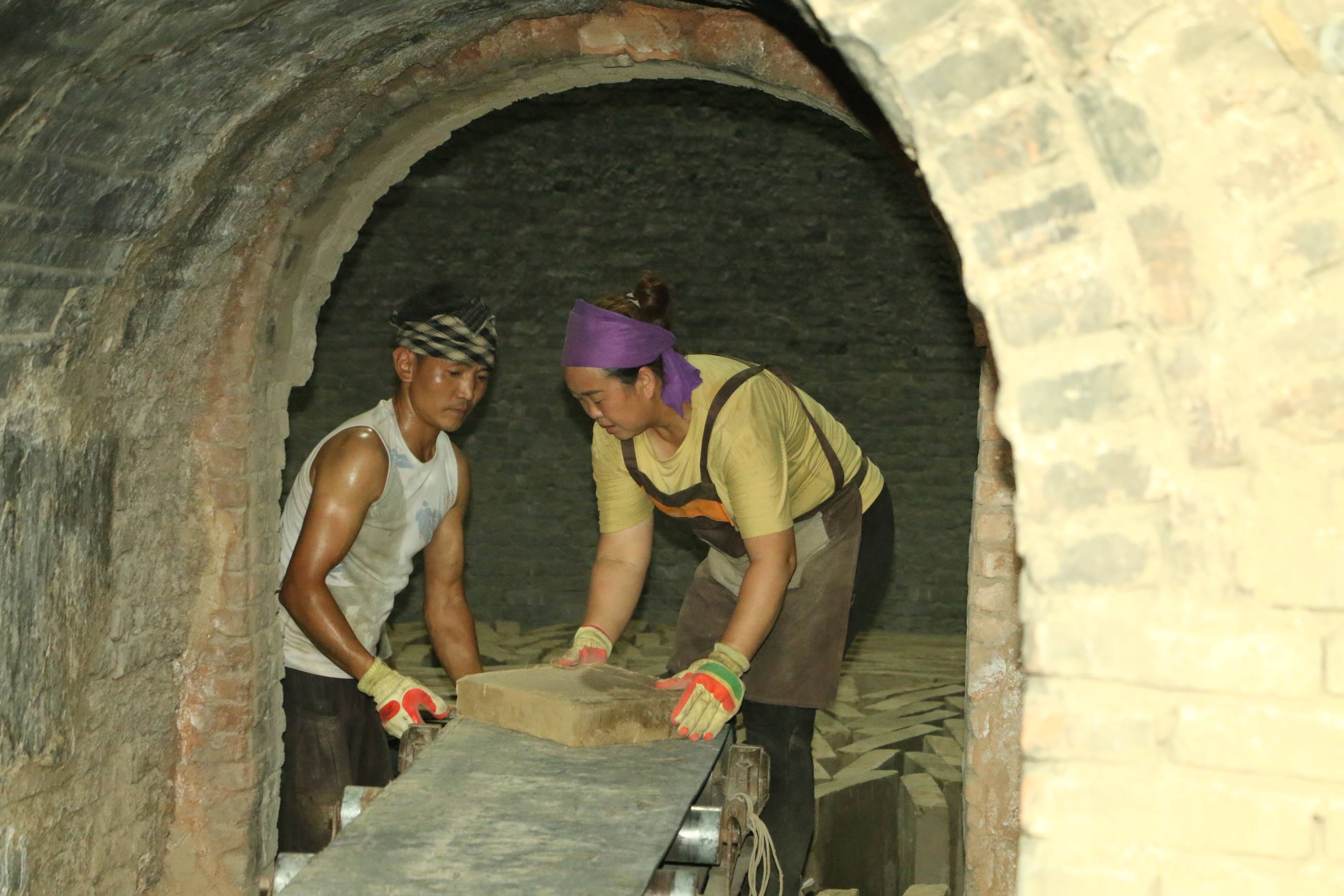
贵州工人
授权状态 · 审阅中完整转录
《花砖厂 贵州工人访谈录》
整理说明:问=采访者;答=贵州工人(女工为主,兼及男工)。整理时尽量保留原话,删除重复和无效口语;对录音中明显识别错误处,按上下文恢复,如“摇/药”=窑,“出进”=出窑进窑,“工龄付奖”=计件付酬等。
问:几月?
答:4月。
问:然后你呢?
答:我也是一样,来自遵义。
问:是属马的吗?你是属什么的?
答:我属蛇的。
问:哦我属蛇,大两岁。你是78年?
答:嗯。
问:你是几月?
答:正月。
问:然后你们家是哪的?
答:家贵州。
问:老家贵州什么地方?
答:兴义。
问:哪两个字?兴义的兴?
答:高兴的兴,兴义。
问:就是你们到安徽之前也是干这行吗?
答:对,也是干这行,五六年了。没有到安徽之前是做那个95砖厂。
问:在什么地方都做过?
答:有时候在那里,有时候在这里。来这里就是2000年来的,打拼。2000年来这里的。
问:2000年到安徽的哈。是别人介绍来的?谁介绍的?
答:小文呐,我们老乡。老乡在这里做,我们就跟他来。
问:我听讲你们有三对家庭一起来的?
答:三个家庭,他们提前来,我们在后面。
问:你们现在就是夫妻俩还有孩子?
答:有孩子。我带来大,还有一个在这边,有一个小孩在这里跟我们一起。
问:小孩是今天那个小姑娘吗?
答:不是,那个是我小弟弟的小孩。我们有小孩,小孩大了。
问:你们小孩多大?
答:最小的有十六岁了。我有五个小孩,四个女儿,一个儿子。儿子是小的,老五,要快十六岁了。
问:那小孩在这边上学吗?
答:不在这,不上学,不愿意读,没有办法。
问:如果他愿意读,你们想让他读书吗?
答:想让他读书,对。他不愿意读,你没办法。
问:那他们现在在老家干活?
答:大的那两个是大的,还有两个读书的。大的有两个读书,还有两个读书。一个大三,一个大二,还在读大学。
问:在学什么专业?
答:他那个专业我们这还搞不太懂呢。
问:都上大学了,还蛮厉害的。他们在哪里上大学?
答:贵州兴义,有一个在贵阳。
问:贵阳我知道,兴义我还没去过。我们三年之前过来应该看到你们了。就是女的也能干这个,你有没有觉得比较吃力?你也能搞得动吗?
答:一样做的,在哪都是一样做,差不多。一道一道手续,第一个就一样的差不多。一开始做就可以,不是刚来的那几年慢慢慢慢来,慢慢可以了。就开始是搞不动的。
问:这个一天搞下来,哪个地方最累?身体上?
答:一身累,晚上睡觉这个手麻,睡不着。一身翻身都翻不了,手和腰。干这个工很辛苦,手和胳膊麻,睡醒了就睡不着了。胳膊麻,然后腰酸,起来想改一个小水的,起不来。就是太累了,体力付出有点太大了。男生的还不要紧,女生很累。
问:那你们年龄又不大,就学个技术?
答:不行了,马上50岁了,在哪里不好找工干了。
问:我没想到,我以为你30多岁,看起来好年轻,真的。48岁了?
答:是,马上50了。
问:我感觉你看着不比我年龄大,因为我身体比你好多了。
答:七七八年就大一岁,大我一岁。
问:他们都说你们30多岁。
答:嗯。
问:那像这个一般的开始搞不动到搞动大概要多长时间?
答:差不多一两年就这样,慢慢慢慢习惯一点。
问:这个要小心,不小心一掉下来了,这个脚了,手啊哪里也不小心了,就是受伤,容易受伤。是砖掉下来砸到了吗?还是怎么回事?
答:有个时间你不小心的话会受伤的,你这里痛那里痛。不是大伤,是那样经常是有小小伤的,就扭伤了,就是用力过度了。
问:那你们这个工资呢?从来到现在有变化吗?还是一直一样?
答:工资也不高的。我们这个活呢停不了,一个月十多天的工。
问:什么10多天?一个月休息半个月,做半个月?
答:这个工计件付酬。
问:半个月大概能搞多少钱?就做半个月,就等于一个月?
答:最多五六千这样,工资不高的,四五千。
问:你们男男女都一样吗?
答:一样分的一样,我们六个人干活就一样分。
问:你们是按多少出,搬多少东西,还是出多少窑,还是按月算?怎么分?
答:按窑数分的,一窑多少钱这样算。
问:一个窑一般给多少钱?
答:一个窑那个好像是一万零,一万五六吧。
问:一万五六包括出还是包括进?
答:出进一起,出进一样一起。
问:其实还蛮,老板想给你们买社保了哈?养老保险?
答:没有买。我们到现在没有买养老保险。他买是买那个保险,买的保险,不是养老保险。
问:蚊子太多了。你们这个房租是老板付是吧?
答:房租水电费老板付。
问:然后小孩就在家?那你们多长时间回去看一次小孩子呢?
答:小孩我们一般他都在学校里面,都很少去的。小孩在家,他在学校里面的。他有十多岁啊,十七八岁啊,不管也可以的。那么一要拿钱一年,拿钱给他。你们过年回去一趟,如果时间有事情,一年要去几次都不知道。
问:一年几次哈?
答:有有事啊就去啊就去。
问:那你们在这边除了干事之外,就是平常玩什么?有没有什么玩的地方?
答:玩玩什么,或者看电视啊,就是在家玩。种菜呀搞搞,这里搞这里搞。在这还种菜啊,种玉米啊,我们什么都种有。
问:这么能干。
答:做一点菜菜啊,在休息这样,没有什么做。
问:看看那个上网,玩手机吗?
答:嗯,还有抖音啊什么的,玩抖音吗?我得看看一下又累了,又睡觉吧。起来煮饭吃,又上班了。
问:那你们小孩以后准备做什么?你们小孩以后会干什么?你希望他们干什么事情?
答:小孩他们不会做这种的事,不会做这种事情。
问:就是希望他们做这个?
答:哎。
问:你们彝族像少数民族,是不是还有一些政策给你们?就是国家对你们少数民族是不是会有一些补贴啊?给一些钱啊?
答:补贴没有。我们这就是要,你要有了是他要精准扶贫户有,平常都没有,一般都没有。精准扶贫户才有,困难户嘛。像我们没有精准扶贫,那几个小孩读书没有什么免费的。
问:那高考加分啊什么的有吗?
答:他们都上大学了,真的蛮好的。能上大学出来至少工作应该还还是比较好的。
问:我看你们一般的女的一般是在推,然后男的做那个搬的这个事情,是不是这个事情累一点?
答:不是这个活不是,像整体的,这明天了,这又不是这样了,明天就不是了换着来。这个窑那个品种很多嘞。
问:那我来帮他们赶赶蚊子。你还有什么想问的吗?有我想问问有没有家里有老人啊什么的人?
答:家里老人都过去,过世好好几年了,都过世了。
问:你们一般的干这个,一般的干到多少岁?然后还想回老家还是愿意在这干?
答:这个活也是,现在固定不了呢。经济困难还还可能还要做,多少年不知道,慢慢做呗。现在还小的还大的小的又,用的用还要要用很多钱呢,没办法的。读书太厉害了,都得上大学。一个月两个小孩在学校里面,要一个月要打款给他嘞,要拿付钱给他学校里面用嘛。他没有钱了就没有吃了呗。
问:你们准备大概如果一般的准备干到多少岁?
答:干到小孩出来,小孩不读书了,轻松一点了,我们就休息吧。休息回我们贵州呗。
问:那以后也可以,小孩出来也出息了,然后就可以靠他们了。蛮好的。他们等他们大学出来了,你们就轻松了啊,不要给钱,说不定还给钱给你们。能给钱给你们不?
答:哎。
问:好了吧。
答:嗯。
问:哎那就这样就是。
答:哎呀哎呀,不要不要,这个钱不能要。要要要,这个没有没有。
英文翻译
《The Decorative Brick Factory: Interviews with Guizhou Workers》
Editorial note: Q = interviewer; A = Guizhou workers (mostly women, with some men). In editing, I've tried to keep the original wording and cut repetition and meaningless filler. Obvious transcription errors have been restored from context, e.g. “yao/medicine” = kiln, “chujin” = unloading/loading the kiln, “seniority bonus” = piece-rate pay, etc.
Q: What month?
A: April.
Q: And you?
A: Same, from Zunyi.
Q: Were you born in the Year of the Horse? What's your zodiac sign?
A: I'm a Snake.
Q: Oh, I'm a Snake too, two years older. You were born in '78?
A: Mm.
Q: What month?
A: The first month.
Q: Where's your family from?
A: Guizhou.
Q: Where in Guizhou?
A: Xingyi.
Q: Which two characters? Xing as in xingyi?
A: Xing as in happy—Xingyi.
Q: Before you came to Anhui, were you also doing this?
A: Yes, also doing this, five or six years. Before Anhui, I worked at a 95 brick factory.
Q: Where all have you worked?
A: Sometimes there, sometimes here. I came here in 2000, to make a living. Came here in 2000.
Q: Came to Anhui in 2000. Did someone introduce you? Who?
A: Xiao Wen, our fellow townsman. He was working here, so we came with him.
Q: I heard you came as three families?
A: Three families. They came earlier, we came later.
Q: So now it's you and your husband, plus kids?
A: We have kids. I brought the older one. There's another one here with us.
Q: Is the kid the little girl from today?
A: No, that's my younger brother's child. We have kids, they're grown.
Q: How old are your kids?
A: The youngest is sixteen. I have five kids—four daughters, one son. The son is the youngest, the fifth, almost sixteen.
Q: Does he go to school here?
A: No, not here. He doesn't want to study. Nothing we can do.
Q: If he were willing to study, would you want him to?
A: We'd want him to, yes. He doesn't want to—nothing you can do.
Q: So they're working back home now?
A: The two oldest are grown. There are still two in school. Two of the older ones are in school—actually two are still studying. One is a junior, one a sophomore, still in university.
Q: What are they studying?
A: His major—we still can't quite figure it out.
Q: They're all in university, that's pretty impressive. Where do they go?
A: Xingyi, Guizhou. One is in Guiyang.
Q: I know Guiyang. I haven't been to Xingyi. We came three years ago—we probably saw you then. Women can do this too—do you find it hard? Can you handle it?
A: It's the same work. Everywhere it's the same, more or less. Step by step. The first one is about the same. You can do it from the start. Not like the first few years—slowly, slowly, then you get used to it. At the beginning you can't handle it.
Q: After a day of this, what part of your body is the most tired?
A: Whole body tired. At night my hands go numb, I can't sleep. I can't even turn over—hands and waist. This job is hard. Hands and arms go numb. Wake up and can't sleep. Arms numb, waist sore. Want to get up to... can't get up. Too tired. The physical toll is too much. Men are okay; women get very tired.
Q: You're not that old—why not learn a skill?
A: Too late. I'm almost 50. Hard to find work anywhere.
Q: I didn't expect that. I thought you were in your 30s. You look so young, really. 48?
A: Yes, almost 50.
Q: I feel you don't look older than me, because my health is much better than yours.
A: '77 or '78, just one year older, one year older than me.
Q: They all say you're in your 30s.
A: Mm.
Q: About how long does it take from not being able to handle it to being able to?
A: About a year or two. Slowly, slowly you get used to it.
Q: You have to be careful. If you're not, something falls—your foot, your hand. You get hurt easily. Does a brick fall and hit you? Or what?
A: Sometimes if you're not careful you get hurt. Here hurts, there hurts. Not big injuries—often small ones. Sprains, overexertion.
Q: What about your wages? Have they changed since you came, or stayed the same?
A: Wages aren't high either. Our work—can't stop. About ten-some days of work a month.
Q: What, ten-some days? You rest half a month, work half a month?
A: This work is piece-rate.
Q: About how much for half a month? Working half a month equals a month?
A: At most five or six thousand. Wages aren't high—four or five thousand.
Q: Men and women the same?
A: Same split. Six of us work, we split equally.
Q: Do you split by how much you unload, how much you carry, how many kilns you unload, or by month? How do you split?
A: By number of kilns. So much per kiln.
Q: How much per kiln?
A: One kiln seems to be ten-some thousand, fifteen or sixteen thousand.
Q: Does fifteen or sixteen thousand include unloading or loading?
A: Loading and unloading together. Same together.
Q: Actually pretty good. Does the boss want to buy social insurance for you? Pension insurance?
A: No. We still haven't bought pension insurance. He buys insurance, but not pension insurance.
Q: Too many mosquitoes. The boss pays your rent, right?
A: Boss pays rent and utilities.
Q: Then the kids are at home? How often do you go back to see them?
A: The kids—usually they're at school. We rarely go. The kids are at home, they're at school. They're ten-some, seventeen or eighteen. They can manage without us. We just send money every year. We go back once at New Year. If something comes up, we might go several times a year—don't even know.
Q: A few times a year?
A: If there's something, we go.
Q: Besides working, what do you do for fun? Any places to go?
A: What do we do—watch TV, just at home. Plant vegetables, do this and that. We even plant vegetables here, corn. We plant everything.
Q: So capable.
A: Just grow a little vegetables, on rest days. Nothing else to do.
Q: Do you go online, use your phone?
A: Mm, Douyin and such. Play Douyin? I watch a bit, then I'm tired, then sleep. Get up, cook, eat, go to work again.
Q: What will your kids do later? What do you hope they'll do?
A: Our kids won't do this kind of work. Won't.
Q: You hope they do this?
A: Sigh.
Q: You're Yi, an ethnic minority—are there policies for you? Does the state give subsidies to ethnic minorities? Some money?
A: No subsidies. Here, if you're a targeted poverty alleviation household, yes. Normally no. Only targeted poverty alleviation households, poor households. We're not targeted poverty alleviation, so the kids' schooling isn't free.
Q: What about bonus points on the college entrance exam?
A: They're all in university. Really good. If they can get through college, at least work should be relatively better.
Q: I see usually women push, men carry—is that more tiring?
A: No, this work isn't like that. It's the whole thing. Tomorrow it's not like this—tomorrow it changes, we rotate. This kiln—there are many varieties.
Q: Let me help them shoo mosquitoes. Anything else you want to ask? I want to ask if there are elderly at home?
A: The elderly at home have all passed away, passed away several years ago. All gone.
Q: How long do people usually do this, to what age? Do you want to go back home or stay here?
A: This work—can't be fixed now. If money is tight, we may have to keep doing it. Don't know how many years. Just keep going. There are still young ones and older ones. Expenses need a lot of money. No choice. Schooling is so expensive; they all have to go to university. Two kids at school—every month we have to send money. Give money for school. If they have no money, they don't eat.
Q: About how long do you plan to work?
A: Until the kids are out, no longer in school, things ease up a bit. Then we rest. Rest and go back to Guizhou.
Q: Then later, when the kids make something of themselves, you can rely on them. Pretty good. Once they finish university, you'll have it easier—no need to give money, maybe they'll even give you money. Will they give you money?
A: Sigh.
Q: Okay?
A: Mm.
Q: Then that's it.
A: Oh no, no, you can't take this money. Take it, take it. No, no.
机器翻译,欢迎指正相关链接: 非遗技艺 · 工人劳动与收入 · 工人劳动档案 · 同项目访谈:蔡师傅 · 花砖厂烧火工人 朱师傅 · 花砖厂看火师傅 方师傅 · 花砖厂砖雕工人